
Termite Treatment & Control in Riverside, CA
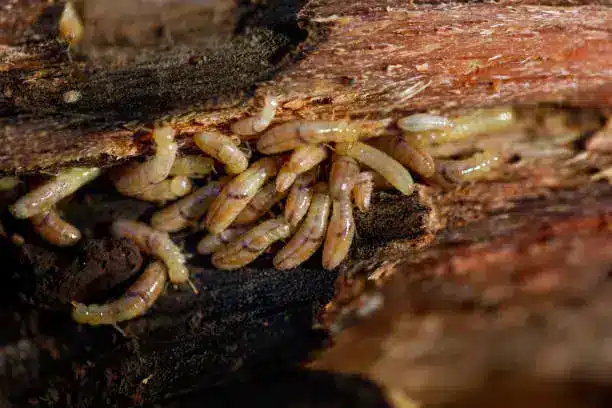
Termites silently destroy Riverside homes from the inside out, often for years before any visible damage appears. Southland Pest Control has inspected, treated, and prevented termite infestations across Riverside County since 2012. Whether you need a single inspection or full structural fumigation, our licensed technicians give you an honest assessment and the right treatment for the situation,
Get Your FREE Quote
Why Riverside Homes Are at High Termite Risk
Riverside County sits in California’s Termite Zone 1, the state’s highest-risk designation. Both drywood and subterranean termites are active here year-round, with swarming activity peaking in spring and fall. The combination of warm temperatures, low humidity, and abundant wood construction creates ideal conditions for both species.
Historic neighborhoods like the Wood Streets, Victoria, and downtown Riverside have housing stock that has been exposed to termite pressure for nearly a century. Newer developments in Orangecrest, Canyon Crest, and Mission Grove sit on former agricultural land that often carries existing subterranean termite colonies in the soil. Every Riverside homeowner should treat regular termite inspection as routine maintenance, not as a response to visible damage.
- Fully Licensed & Insured
- Locally Owned & Operated
- 5 Star Rated Service
- Customer Satisfaction Guarantee
- Emergency Services Available
- Professional Trained Technicians
Licensed Technicians
in Riverside
Every Southland technician is California state-licensed and continuously trained on current termite treatment methods. We don’t subcontract. The same Southland team handles inspection, treatment, and follow-up.
Termite Control Follow-Up Services
Termite work is not done when the treatment ends. Annual post-treatment inspections confirm elimination, identify conditions that contribute to re-infestation, and catch new activity before it becomes structural damage.
Emergency Termite Treatment Service
For severe infestations requiring immediate attention, we provide emergency services. Call (951) 653-7964 for same-day emergency termite service across Riverside and San Bernardino counties.
Two Types of Termites in Riverside
Riverside County has two primary termite species, and they behave very differently. Identifying which one you have shapes the entire treatment approach.
Drywood Termites
Live entirely inside the wood they consume. They do not need soil contact, and you will never see mud tubes. The most common sign is small piles of frass (six-sided droppings that look like coarse sand or coffee grounds) below baseboards, window sills, or attic framing.
Subterranean Termites

Live in the soil and travel up into the structure through pencil-thin mud tubes built along the foundation. They cause faster, more extensive damage than drywood termites and require a different treatment strategy. Signs include visible mud tubes, hollow-sounding wood near the base of walls, and piles of dark shed wings near windows after a swarm.
For a full breakdown of how to tell drywood and subterranean termites apart, including photos of each sign, see our guide to drywood vs subterranean termites in Riverside.
What Happens During a Termite Inspection in Riverside

Initial Assessment
Advanced Detection


Structural Examination
Once an inspection confirms termite activity, we walk you through the right treatment for your home, from tenting to no-tent localized options. Explore your full range of options on our Riverside termite control page.
Termite Treatment Options in Riverside, CA
Tent Fumigation
Prefer Not to Tent? Localized and No-Tent Options
Orange Oil Treatment
Orange oil termite treatment is a naturally derived option applied directly to active drywood galleries in your Riverside home, with no tenting and no need to move out.
Foam Treatment
Heat Treatment
Our termite heat treatment is a chemical-free option for Riverside homes that raises the temperature inside the structure to a level lethal to drywood termites.
Localized Spot Treatment
Termite spot treatment targets active galleries directly when the infestation is contained to one part of a Riverside home, with no need to tent the structure.
Termite Bait Stations
What to Expect From Your Termite Treatment
Straightforward from the first call to the final follow-up.
Free Inspection
We inspect the property, identify drywood or subterranean activity, and confirm the species.
Custom Treatment Plan
We recommend tent or no tent treatment based on what we find, with clear pricing before any work begins.
Treatment Day
Our licensed Riverside technicians complete the termite treatment on a schedule that fits yours.
Follow-Up and Prevention
We confirm the termites are gone and help you keep them from coming back.
Buying or Selling a Home in Riverside?
Need documentation for a sale or purchase? Start with a Riverside termite inspection and Section 1 report.
Our Termite Treatment Guarantee
Re-Treatment Guarantee
If termites come back during your coverage period, we re-treat at no additional cost.
Annual Protection Plan
Want a Ballpark Before You Call?
Get a quick estimate with our termite treatment cost calculator.
Get Your Free Termite Control Quote from Southland Pest Control
Our team is fully trained and licensed to secure your home from invasive termites.
Areas We Proudly Serve for Termite Control
Southland Pest Control treats termites in homes throughout Riverside County and the surrounding Inland Empire. If you don’t see your community listed, give us a call. We almost certainly serve you.
Riverside County:
Corona | Eastvale | Hemet | Jurupa Valley | Lake Elsinore | Menifee | Moreno Valley | Norco | Perris | Riverside | San Jacinto | Temecula | Wildomar
San Bernardino County:
Chino | Fontana | Ontario | Rancho Cucamonga | Redlands | San Bernardino
Year-Round Protection: Our Monthly Pest Prevention & Management Service
Why Riverside Homeowners Choose Southland for Termite Control
Locally owned and operated since 2012. Every technician on our team is state-licensed and continuously trained on current treatment methods and California regulations. We’ve inspected and treated termites in historic homes, new construction, commercial properties, and everything in between across Riverside, San Bernardino, and Los Angeles counties.
- 5-star rated service with 170+ verified reviews
- 3-year warranty on whole-structure fumigation
- 13+ years of termite experience in the Inland Empire
- Same-day emergency service for active infestations
- Free, honest inspections with written documentation
- State-licensed technicians on every job, no subcontracting

Schedule Your Termite Inspection Today
If you’ve spotted frass, mud tubes, or hollow-sounding wood, the longer you wait, the more complicated and expensive the treatment becomes. Riverside’s year-round termite pressure does not pause. Schedule your inspection today and a Southland technician will be in touch within one business day.