
Flea Removal in Riverside, CA
Since 2007, Southland Pest Control has helped families reclaim their homes from stubborn flea infestations. Our comprehensive treatments target fleas at every life stage, delivering fast relief for your household and pets.

Get Your FREE Quote
Riverside Flea Removal Services
Riverside flea removal protects your pets and your home. Fleas bite, itch, and spread fast, so quick action matters. Our team inspects every room, finds hot spots, and treats all life stages. We use safe products, growth regulators, and targeted steam where needed. Then we schedule follow-ups to make sure fleas stay gone.
Additionally, we treat baseboards, pet zones, and soft fabrics where eggs hide. Because fleas cycle quickly, we time treatments to break each stage. We also explain simple steps you can do between visits, so results last and your home stays comfortable.
How To Prevent Fleas In Riverside
Start with your pets, and use vet-approved prevention. Next, vacuum carpets, rugs, and furniture often. Wash pet bedding in hot water, and clean crates and blankets, too. Keep the yard trimmed, reduce clutter, and fix damp areas. With routine Riverside flea removal plans monthly, bi-monthly, or quarterly you block new fleas before they spread.
Also, seal small gaps where wildlife can enter and drop pests. Check door mats, couch seams, and car seats, since fleas can hitch a ride. Then comb pets weekly and empty the vacuum right away. These simple habits, plus regular service, keep fleas from coming back.
- State-Licensed Flea Specialists
- Riverside-Owned & Trusted
- 5-Star Rated by Local Homeowners
- Results Guarantee on Every Visit
- Same-Day Flea Removal Available
- Continually Trained Technicians

Certified Flea Control Experts
Our technicians hold current state licenses and real field experience. They know how fleas live, hide, and spread. Because methods change, we train often and improve our tools. You get safe work that protects pets, kids, and your home.
Scheduled Follow-Ups
One visit is not enough, since eggs hatch later. So we return on a set schedule to treat new stages before they spread. We check hot spots, adjust products, and confirm results. This steady plan keeps fleas from coming back.
Rapid Response For Urgent Flea Problems
When bites start fast, you need help now. We offer same-day and after-hours service in Riverside. First, we inspect. Then we begin targeted treatment right away. With quick action and clear steps, your home gets relief sooner.
Reliable Riverside Flea Removal For Your Home
Safe, effective, and lasting flea control tailored to Riverside homes.
We inspect every room, treat hot spots, and break the flea life cycle. Then we time follow-ups so eggs cannot rebound.
We target carpets, sofas, baseboards, and pet bedding. Plus, we guide cleaning steps that boost results between visits.
We treat shaded soil, under decks, and along foundations. As a result, outdoor sources drop and fewer fleas enter.
We coordinate with vet-approved products and simple home habits. With routine service, your home stays comfortable all year.
Common Flea Species in Riverside, CA

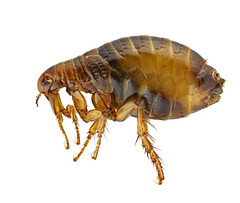
Cat Flea
The cat flea is the most common flea in Riverside homes. It bites both cats and dogs, and it spreads fast inside. Eggs fall into carpets, sofas, and pet bedding, so new fleas appear quickly. Because cat fleas can carry tapeworms and trigger flea allergy dermatitis, quick care matters. With Riverside flea removal, you can break the life cycle and protect pets and people.
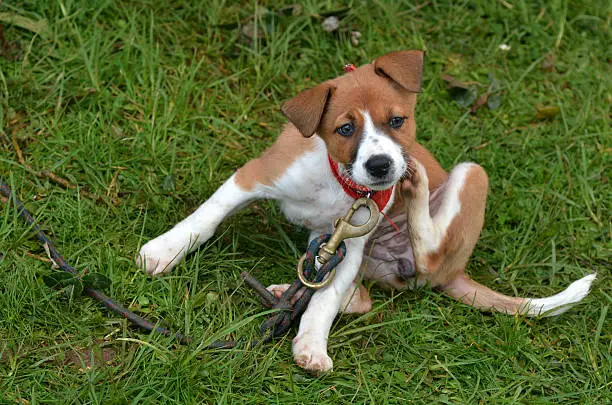
Dog Flea
Dog fleas mainly target dogs, but they will bite people and other animals too. They thrive in warm, humid spots around bedding and baseboards. In addition, they can pass parasites and some bacteria, which raises health risks. Regular pet prevention helps, yet infestations still need precise treatment. Our Riverside flea removal plans clear active fleas and prevent reinfestations.
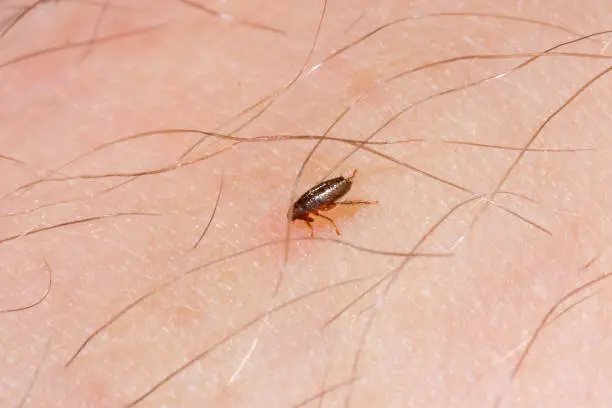
Human Flea
Human fleas prefer people, but they will feed on pets and wildlife when needed. They show up more in rural areas or places with livestock, and poor sanitation can make them worse. Bites itch and irritate skin, and some strains spread bacteria. Clean-up helps, and sealing entry points does too. For full relief, professional inspection and year-round prevention keep homes flea-free.

Comprehensive Riverside Flea Removal
Fleas bother pets and people. They bite, itch, and can spread tapeworms or typhus. Because they multiply fast, small problems turn big quickly. Our Riverside flea removal starts with a full inspection and a simple plan you can follow. Then we treat every room and schedule follow-ups so results last. With our help, your home stays comfortable and your pets stay safe.
Understanding the Flea Life Cycle
Fleas move through four stages: egg, larva, pupa, and adult. Eggs drop into carpets, bedding, and furniture. Soon, larvae hide in dark, humid spots and feed on debris. Next, they form cocoons and wait as pupae until heat or movement tells them a host is near. Because this cycle can last for months, regular service is key to long-term control.
Expert Riverside Flea Removal And Prevention
We use targeted insecticides, growth regulators, and low-tox options to break each stage. Indoors, we treat carpets, baseboards, sofas, and pet zones. Outdoors, we focus on shaded soil, kennels, and spots where pets rest. In addition, we set monthly, bi-monthly, or quarterly plans to block new activity. Contact us today to schedule an inspection and keep your home flea-free.
Emergency Riverside Flea Removal
Additionally, we use family-safe products that work fast and dry quickly. We protect pets during service and explain simple aftercare. Also, we offer clear pricing and same-day windows across Riverside. So, you get quick help, less stress, and a safer, quieter home.
Follow-Up Riverside Flea Removal For Long-Term Protection
Fleas hatch in waves, so one visit is not enough. That’s why we schedule follow-ups to break the life cycle. First, we recheck hot spots and adjust products as needed. Then we time treatments to catch new eggs as they emerge. Also, we offer monthly, bi-monthly, and quarterly plans that keep your home flea-free all year. Finally, we give simple pet and home tips so results last.
In addition, we track results with each visit and share a short report. We remind you to vacuum often, wash pet bedding hot, and empty the vacuum outside. Plus, we can work with your vet on pet preventatives. With steady care and clear steps, fleas do not get a chance to return.
Get Your Free Flea Control Quote from Southland Pest Control
Our team is fully trained and licensed to secure your home from invasive dog, cat and human fleas.
Riverside Pest Help Beyond Fleas
Proven Riverside Flea Removal for Lasting Relief
Riverside flea removal works best when it targets every stage of the flea life cycle. Our team inspects your home, pinpoints hotspots, and treats carpeted rooms, pet areas, and outdoor zones where fleas hide. Because we understand local conditions, we choose products and methods that perform well in Riverside homes and yards.
Each visit includes a clear plan, safe treatments, and practical steps you can use right away. We show you how to handle pet bedding, vacuum routines, and yard care so results hold. With Southland Pest Control, you get relief now and protection that lasts.
Smart Follow-Ups That Keep Fleas Away
Fleas hatch in waves, so one visit is rarely enough. After your first service, we schedule follow-ups to check activity, retreat targeted spots, and adjust the plan as the home settles. This steady approach breaks the egg-to-adult cycle and reduces new bites quickly.
You can choose monthly, bi-monthly, or quarterly service based on your pets, flooring, and yard layout. Regular touch points keep populations low, keep your pets comfortable, and keep your home flea-free through every season.
Rapid-Response Emergency Flea Removal in Riverside
Flea problems move fast. When you need help now, our rapid-response team can arrive with the right tools to treat living spaces, furniture bases, and outdoor resting sites the same day when available. Quick action limits spreading and protects your family and pets.
Because every infestation is different, we tailor the treatment mix to your home, your pets, and your yard. Call today for fast, effective Emergency flea removal and get back to a calm, comfortable home.