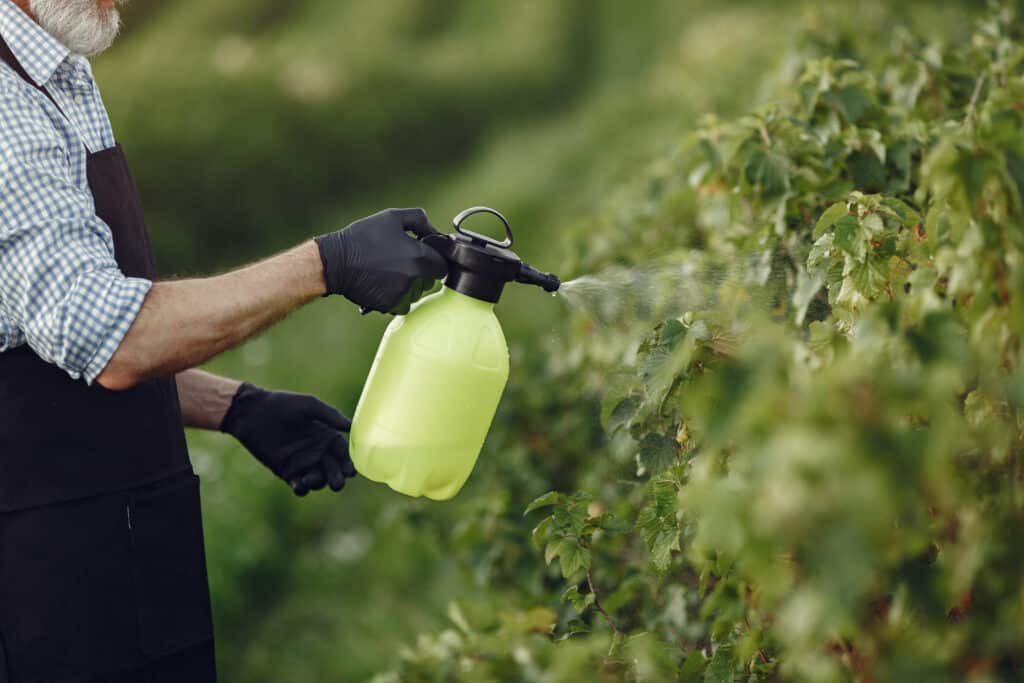
Eco-friendly pest control in Riverside sounds great — but what does it actually mean? Every pest company claims to be “green” these days, and it is hard to tell the difference between real sustainable methods and marketing fluff.
This guide breaks down what eco-friendly pest control really looks like for Riverside homeowners, which methods actually work, and how to protect your family and pets without relying on harsh chemicals.
The Short Answer
Eco-friendly pest control means using methods that solve your pest problem with the least environmental impact. For Riverside homeowners, the most effective approach is called Integrated Pest Management (IPM) — a system that combines sealing entry points, natural treatments, and targeted low-toxicity products only when necessary. It is not about avoiding chemicals entirely. It is about using smarter methods first so chemicals become the last resort, not the first call.
What Is Integrated Pest Management (IPM)?
IPM is the foundation of real eco-friendly pest control in Riverside. Instead of blanket-spraying your home on a schedule, IPM follows a step-by-step process:
- Inspect — Identify exactly what pest you are dealing with and where it is entering
- Prevent — Remove the conditions attracting pests (food, water, shelter, access)
- Monitor — Track pest activity to measure whether prevention is working
- Treat — Use the least-toxic effective method only when prevention alone is not enough
The University of California IPM program developed much of the science behind this approach, and it is the standard recommended by the EPA for residential pest management.
How Does Sealing Your Home Keep Pests Out?
Exclusion is the most overlooked eco-friendly method — and it is the most effective long-term solution. If pests cannot get in, you do not need to treat them.
For Riverside homes, the most common entry points include:
- Gaps around pipes and utility lines entering the foundation
- Cracks in stucco — extremely common in Inland Empire homes
- Worn door sweeps and weatherstripping — especially garage doors
- Gaps around AC lines and dryer vents
- Roof vents and eave gaps — the number one entry point for roof rats
A proper exclusion inspection identifies every opening and seals it with caulk, steel wool, copper mesh, or hardware cloth depending on the pest. One exclusion treatment can prevent problems for years without a single chemical application.
What Natural Pest Treatments Actually Work in Riverside?
Not every “natural” treatment works. Here are the ones that actually hold up for Riverside homeowners:
- Diatomaceous earth (DE) — A fine powder made from fossilized algae. It damages the exoskeletons of crawling insects like ants, roaches, and silverfish, causing dehydration. Safe for people and pets when used as directed.
- Essential oil-based sprays — Peppermint, eucalyptus, and rosemary oils repel ants, spiders, and some flying insects. They work best as a deterrent, not a solution for active infestations.
- Neem oil — Disrupts the life cycle of insects by interfering with feeding and reproduction. Effective for garden pests and perimeter treatments.
- Boric acid baits — Low-toxicity baits that target cockroaches and ants. The insects carry the bait back to the colony, eliminating the source.
- Biological controls — Introducing beneficial insects like nematodes to target grubs, or encouraging natural predators. More applicable to yard and garden pest issues.
The key takeaway: natural treatments work best as part of an IPM plan, not as a standalone replacement for professional treatment during an active infestation.
Are Green Pest Control Products Safe for Kids and Pets?
This is the number one question Riverside homeowners ask, and the answer is: most are significantly safer than conventional pesticides, but “green” does not automatically mean risk-free.
Here is what to look for:
- Reduced-risk products — The EPA maintains a list of active ingredients classified as reduced-risk. These break down faster in the environment and have lower toxicity to mammals.
- Botanical insecticides — Products derived from plants like pyrethrin (from chrysanthemums) are effective and break down quickly in sunlight. However, pyrethrin is still toxic to cats and fish, so application matters.
- Mineral-based products — Diatomaceous earth and boric acid are naturally occurring minerals. They are low-risk for humans but should still be applied correctly and kept away from eyes and lungs.
A legitimate eco-friendly pest control service will always tell you exactly what they are applying, where, and what precautions to take. If a company cannot explain what is in their spray, that is a red flag. Check our post about pest control safety concerning dogs.
Does Eco-Friendly Pest Control Actually Work on Tough Pests?
Yes — but some pests require more aggressive intervention regardless of your approach.
Pests where eco-friendly methods work great:
- Ants (exclusion + baiting eliminates most colonies)
- Spiders (habitat modification + perimeter treatment)
- Crickets, silverfish, earwigs (DE + exclusion)
- Mosquitoes (mosquito control through habitat elimination + larvicide)
Pests where you may need conventional backup:
- Termites — Subterranean termites require professional-grade treatment. Some eco-friendly options exist (like orange oil for drywood termites), but termite treatments often require targeted conventional products to fully protect the structure.
- Bed bugs — Heat treatment is technically chemical-free, but it requires professional equipment. DIY natural remedies are not effective for bed bugs.
- Severe rodent infestations — Exclusion is the long-term answer, but active infestations may require trapping or bait stations.
Being eco-friendly does not mean refusing to solve the problem. It means using the least harmful method that actually works.
How to Tell If a Pest Company Is Actually Eco-Friendly
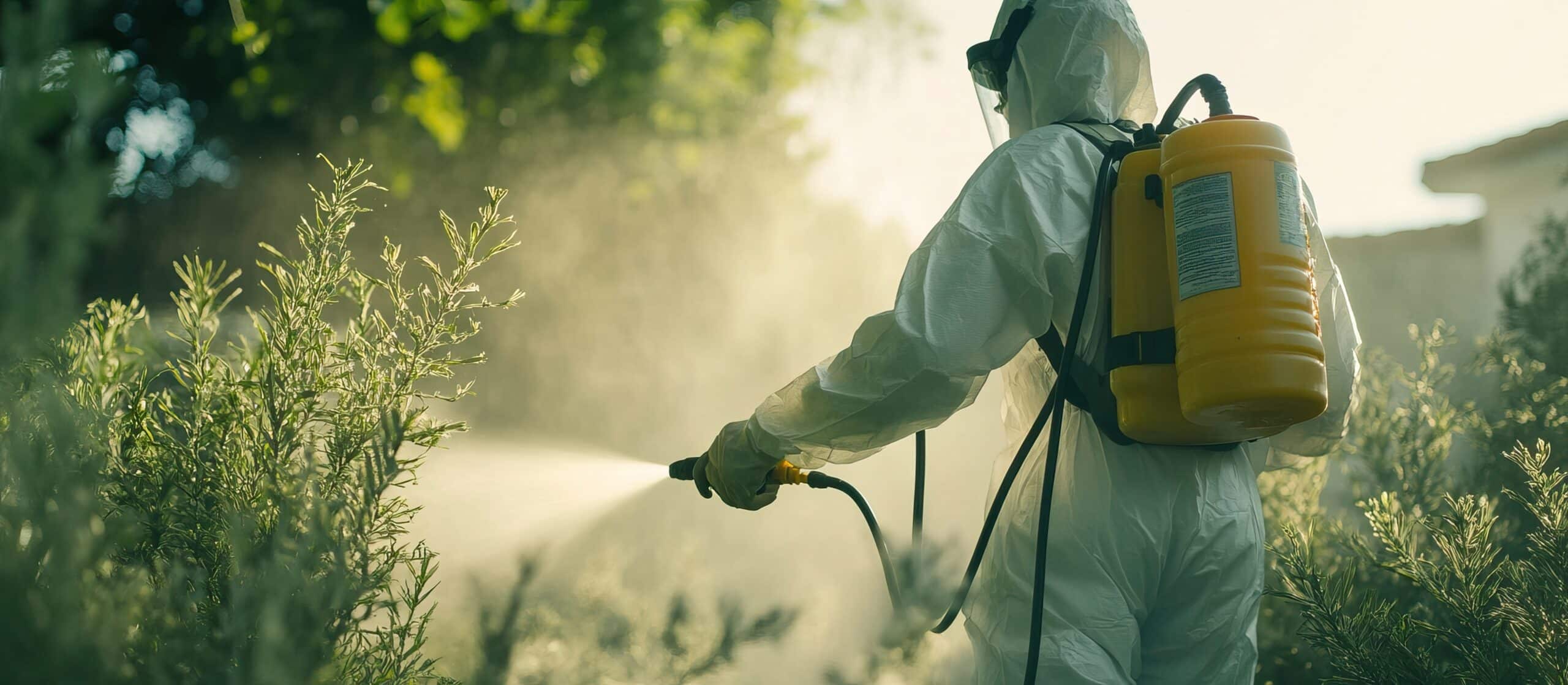
Not every company using the word “green” is doing things differently. Here is how to separate real eco-friendly practices from marketing:
Signs they are legit:
- They start with an inspection, not a spray gun
- They can name the specific products they use and their EPA classification
- They offer exclusion and prevention services, not just treatment
- They follow IPM principles and explain their process
- They are transparent about when conventional treatment is necessary
Red flags:
- “100% chemical-free” claims with no explanation of methods
- No inspection before treatment
- Blanket spraying on a monthly schedule regardless of pest activity
- Cannot tell you what products they are using
Why Eco-Friendly Pest Control Makes Sense for Riverside Homes
Riverside’s climate creates year-round pest pressure — from ants and roaches in the summer heat to rodents seeking shelter in the winter. That means ongoing treatment, and the last thing you want is monthly chemical applications around your family.
An IPM-based approach gives you continuous protection while keeping chemical exposure to a minimum. It also tends to be more cost-effective long-term because you are solving root causes (entry points, moisture issues, harborage areas) instead of treating symptoms every month.
FAQ
Is eco-friendly pest control more expensive than traditional spraying?
Not necessarily. IPM-based treatment plans are often comparable in price because they reduce the number of treatments needed. Sealing entry points and eliminating attractants means fewer callbacks and less product used over time.
Can I do eco-friendly pest control myself?
You can handle some basics — sealing cracks, eliminating standing water, applying DE in dry areas, using peppermint oil as a deterrent. But for active infestations or pests like termites and bed bugs, professional treatment is necessary to fully resolve the problem.
What does “reduced-risk” mean on a pest control product?
The EPA classifies certain active ingredients as “reduced-risk” based on lower toxicity to humans and animals, faster environmental breakdown, and reduced impact on non-target species like bees and beneficial insects.
Is organic pest control the same as eco-friendly pest control?
Not exactly. “Organic” typically refers to products derived from natural sources, while “eco-friendly” is a broader approach that includes prevention, exclusion, and habitat modification — not just product choice. A truly eco-friendly program uses organic products when appropriate as part of a larger IPM strategy.
How often should eco-friendly pest control be applied?
It depends on the pest and the severity. With proper exclusion and prevention in place, many Riverside homes only need quarterly maintenance treatments. High-pressure situations (like homes near the Santa Ana River or in foothill areas) may benefit from bi-monthly service during peak seasons.