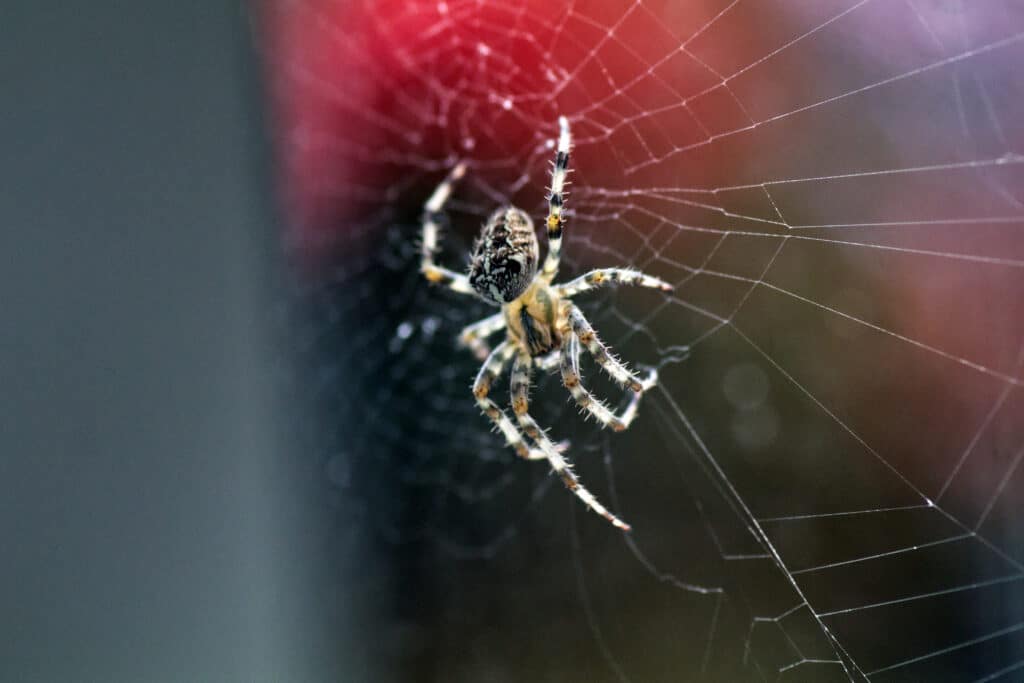
Most spiders in Riverside are completely harmless — but one species in particular can send you to the hospital. The problem is that most homeowners cannot tell the difference between a dangerous black widow and a harmless cellar spider when they find one in the garage at 11 pm.
This guide covers the most common spiders you will find in and around your Riverside home, shows you exactly how to identify each one, and tells you which ones are actually worth worrying about.
The Short Answer
Out of all the spiders you will encounter in Riverside, only one is a genuine medical threat: the black widow. Despite popular belief, the brown recluse does not live in California. However, the brown recluse’s cousin, the desert recluse exists in the far eastern desert areas of Riverside County but is extremely unlikely in most neighborhoods and harmless. Every other spider you find — wolf spiders, cellar spiders, jumping spiders, garden spiders, yellow sac spiders — is either completely harmless or only capable of a mild bite similar to a bee sting. If it is shiny black with a red hourglass on its belly, take it seriously. Everything else can be left alone or relocated.
Black Widows: The One Spider in Riverside You Need to Respect
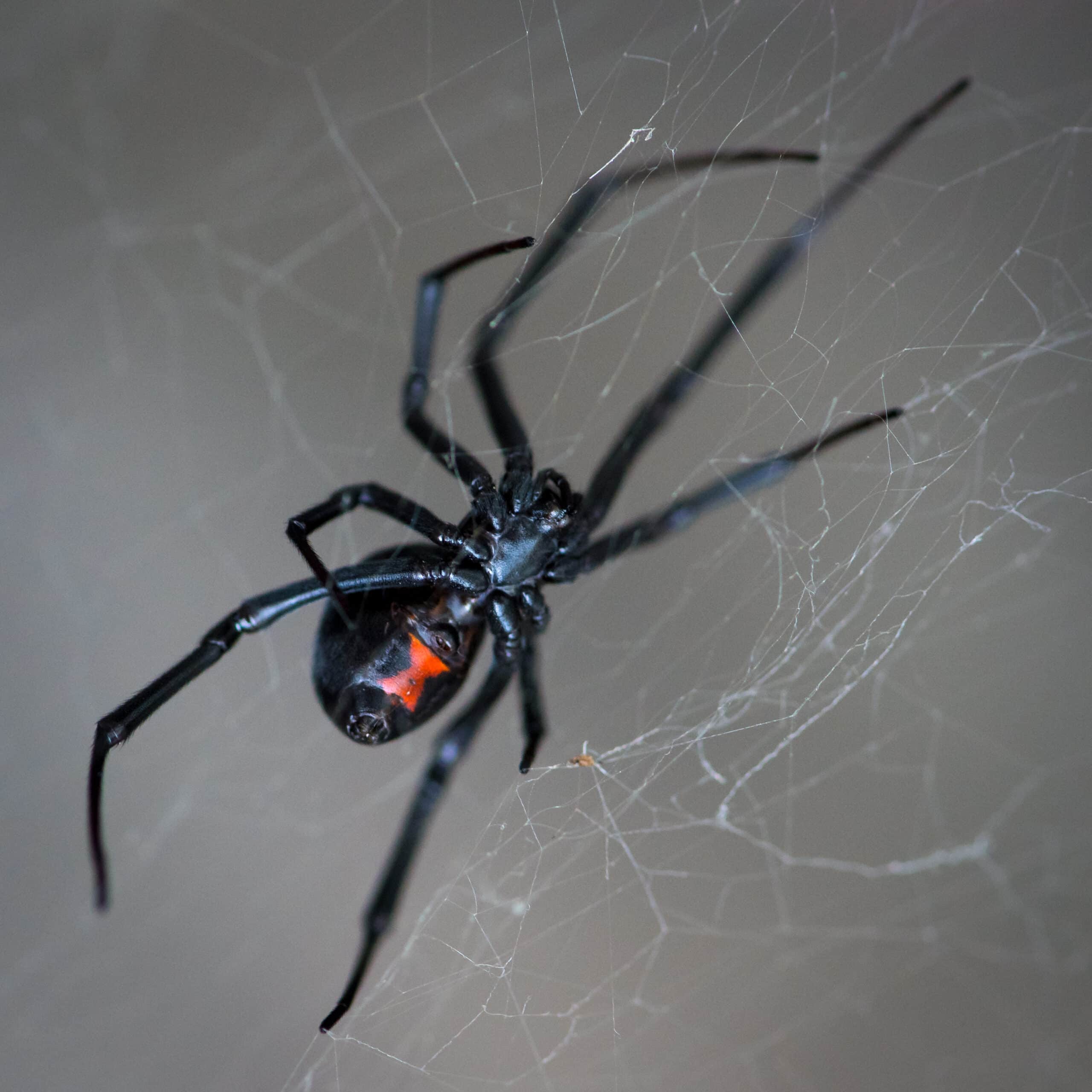
Black widows are the most medically significant spider in all of California, and they are extremely common throughout Riverside.
How to identify them:
- Shiny jet-black body with a round, bulbous abdomen
- Red or orange hourglass marking on the underside of the abdomen
- Females are about 1.5 inches including legs — males are much smaller and not dangerous
- Irregular, messy cobwebs close to the ground
Where they hide in Riverside homes:
- Under patio furniture, planters, and outdoor storage bins
- Inside meter boxes, sprinkler valve covers, and electrical boxes
- In garages — especially along the floor, behind stored items, and under workbenches
- Under woodpiles and debris against the house
- Block wall fence caps and crevices
Why they are dangerous:
Black widow venom is a neurotoxin. A bite causes intense muscle pain, cramping, nausea, and in rare cases can lead to serious complications — especially in children, elderly adults, and pets. According to the UC IPM program, only adult and larger immature female black widows can bite through human skin.
What to do if you find one:
Do not try to handle it. If it is outside in an area away from foot traffic, you can leave it alone — black widows are not aggressive and only bite when pressed against skin or trapped. If it is in a high-traffic area like your garage, patio, or near a doorway, professional removal is the safest option.
For a deeper comparison of dangerous species in the area, read our full guide on black widow vs brown recluse in Riverside.
Desert Recluse: Dangerous but Rare in Most of Riverside
Homeowners often worry about brown recluse spiders, but here is the important fact: brown recluse spiders do not live in California. UC Riverside’s entomology department has studied this extensively and confirmed there are no established brown recluse populations anywhere in the state.
However, California does have a native cousin — the desert recluse (Loxosceles deserta).
How to identify them:
- Light brown to tan with a darker violin-shaped marking behind the eyes
- Six eyes arranged in three pairs (most spiders have eight)
- About half an inch long with long, thin legs
- No webs — they are active hunters
Where they are found:
Desert recluse spiders are native to the southeastern desert regions of Riverside County — areas near the Coachella Valley, Joshua Tree, and the Arizona border. They are extremely uncommon in Riverside city, Moreno Valley, Corona, and other western Inland Empire communities.
What to do if you think you found one:
If you live in the desert-edge areas of Riverside County and find a small brown spider with a violin marking, do not touch it. Send a photo to a professional or bring it in a sealed container for identification. In the western parts of Riverside County, the spider you found is almost certainly a harmless look-alike — not a recluse.
Wolf Spiders: Big and Scary but Completely Harmless
Wolf spiders cause more panic than any other harmless spider in Riverside — purely because of their size and speed.
How to identify them:
- Brown to dark gray with mottled or striped patterns
- Up to two inches across including legs
- Hairy body and long legs
- No web — they chase down prey on the ground
- Eyes reflect green when hit by a flashlight at night
Where you will find them:
- Running across floors, especially in garages and basements
- In ground-level landscaping and leaf litter
- Under rocks, boards, and patio stones
- Occasionally inside the house after following prey through a gap
Are they dangerous?
No. Wolf spiders can bite if handled, but the bite is mild — comparable to a bee sting with temporary redness and swelling. They are actually beneficial because they eat crickets, ants, grasshoppers, and other insects. If you find one indoors, the easiest solution is to trap it under a cup and release it outside.
Cellar Spiders: The Harmless “Daddy Longlegs” in Every Garage
If you have ever looked up at a corner of your garage or laundry room and seen a cluster of thin, tangled webs with a tiny spider hanging upside down, that is a cellar spider.
How to identify them:
- Very small, pale body — almost translucent
- Extremely long, thin legs relative to body size
- Hang upside down in messy, irregular webs
- Often found in clusters
Where you will find them:
- Garage corners and ceilings
- Laundry rooms and utility closets
- Under cabinets and sinks
- Window frames and basement areas
Are they dangerous?
Not at all. There is a popular myth that cellar spiders have the most potent venom of any spider but cannot bite humans. This is completely false. They have very weak venom and tiny fangs — they are one of the least threatening spiders you can encounter. They also eat other spiders, including black widows, which actually makes them beneficial to have around.
Jumping Spiders: Small, Curious, and Totally Safe
Jumping spiders are the ones you will notice watching you back. They have large forward-facing eyes and distinctly alert behavior — they will track your movement and turn to face you.
How to identify them:
- Small — usually under half an inch
- Compact, stocky body (not long-legged like most spiders)
- Large, prominent front eyes
- Often black with iridescent or colorful markings
- Move in short, quick jumps rather than running
Where you will find them:
- Window sills and door frames
- On exterior walls in sunny spots
- Inside the house near windows where they hunt small flies
- Garden plants and fences
Are they dangerous?
No. Jumping spiders are not aggressive and rarely bite. If one does bite (usually only if squeezed), it causes nothing more than a tiny red bump. They are excellent pest controllers — they actively hunt flies, mosquitoes, and other small insects. Most pest professionals consider jumping spiders the most beneficial household spider.
Yellow Sac Spiders: Mild Bite, Often Misidentified
Yellow sac spiders are the spider most commonly responsible for minor bite incidents in California homes — and the spider most often mistaken for a recluse.
How to identify them:
- Pale yellow to light green with a slightly darker stripe on the abdomen
- About half an inch long
- Eight eyes of equal size in two rows
- Build small silken tubes or sacs in corners rather than traditional webs
Where you will find them:
- Upper corners of walls and ceilings
- Inside folded clothing, bedding, and towels
- Behind picture frames and curtains
- Along baseboards at night — they are active nocturnal hunters
Are they dangerous?
Mildly. Yellow sac spiders bite more frequently than other harmless species because they wander at night and can end up in bedding or clothing. The bite feels like a bee sting with redness and mild swelling that resolves within a few days. It is not medically significant for healthy adults. They are often misidentified as brown recluses because of their similar size and light coloring, but yellow sac spiders lack the violin marking and have eight eyes instead of six.
Garden Orb Weavers: The Big Webs in Your Yard
If you have walked through a large, perfectly symmetrical web stretched across your walkway or between plants, you have met an orb weaver.
How to identify them:
- Medium to large — body up to one inch, legs can span two inches or more
- Colors range from brown and gray to orange, yellow, and even banded patterns
- Build large, circular, organized webs (unlike the messy webs of black widows or cellar spiders)
- Usually sit in the center of the web waiting for prey
Where you will find them:
- Between plants, shrubs, and trees in the yard
- Across walkways, porches, and patio openings
- Near outdoor lights that attract flying insects
- Along fence lines and eaves
Are they dangerous?
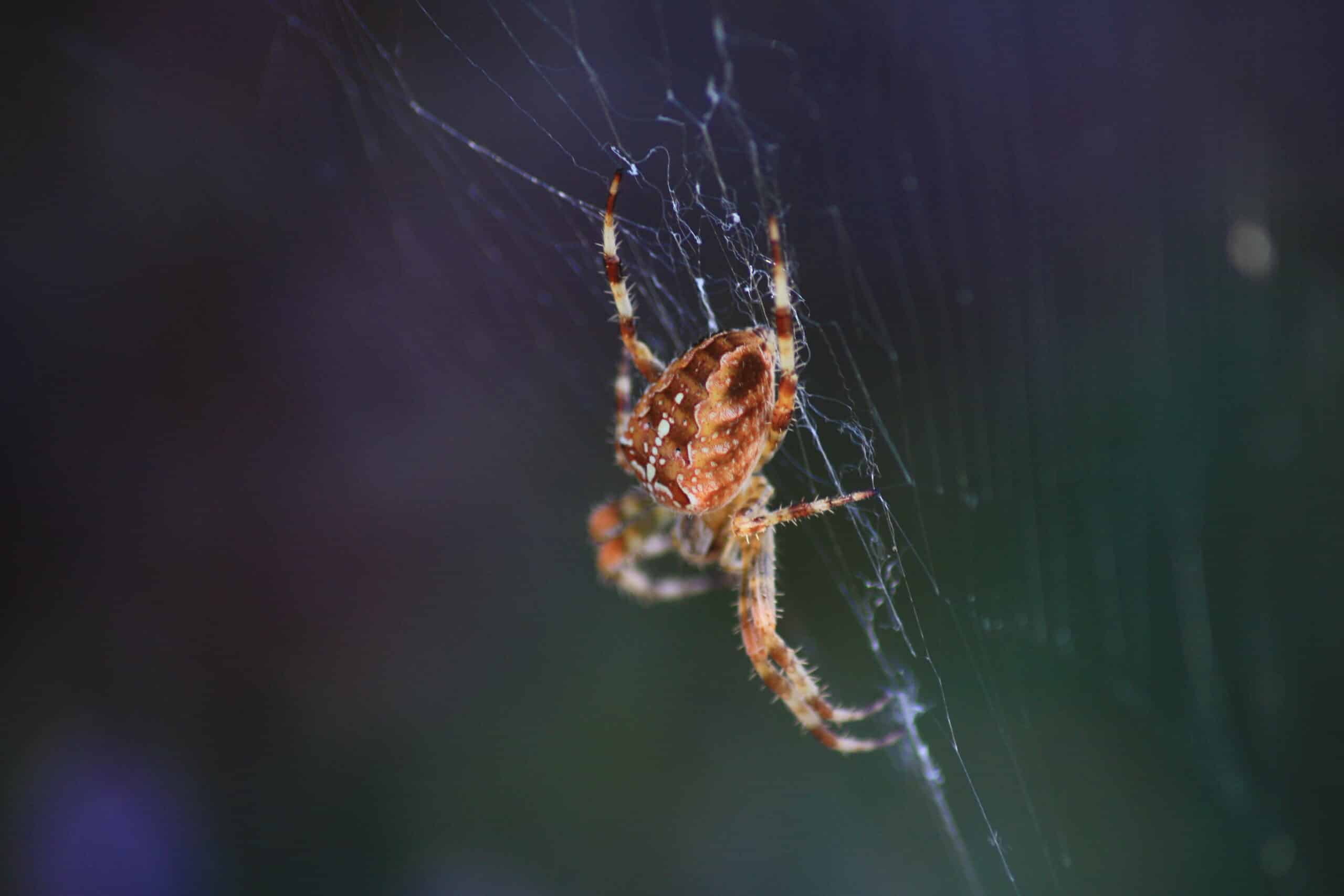
Not at all. Orb weavers are exclusively outdoor spiders and have no interest in coming inside. They eat mosquitoes, flies, and moths — a single orb weaver can consume hundreds of flying insects per week. If a web is in an inconvenient location, you can relocate it with a stick. The spider will rebuild somewhere else within a day or two.
Quick Reference: Dangerous vs. Harmless Spiders in Riverside
| Spider | Size | Color | Where Found | Dangerous? |
|---|---|---|---|---|
| Black Widow | 1.5 inches | Shiny black, red hourglass | Garages, meter boxes, under furniture | Yes — seek medical attention |
| Desert Recluse | 0.5 inches | Tan, violin marking | Desert areas of eastern Riverside County | Yes — but extremely rare in most areas |
| Wolf Spider | 2 inches | Brown/gray, mottled | Floors, garages, landscaping | No — mild bite if handled |
| Cellar Spider | Small body, long legs | Pale/translucent | Garage corners, laundry rooms | No — completely harmless |
| Jumping Spider | Under 0.5 inches | Black, often colorful | Window sills, sunny walls | No — rarely bites |
| Yellow Sac Spider | 0.5 inches | Pale yellow/green | Ceilings, bedding, clothing | Mild — bee-sting level bite |
| Garden Orb Weaver | 1-2 inches | Brown, orange, banded | Yard webs between plants | No — outdoor only |
How to Keep Spiders Out of Your Riverside Home
Most spider problems are actually other pest problems. Spiders go where the food is — if you have a lot of spiders, you probably have a lot of insects attracting them.
Reduce what attracts them:
- Switch outdoor lighting to yellow or sodium vapor bulbs — white lights attract the flying insects spiders feed on
- Keep landscaping trimmed back from the house, especially ground cover and ivy
- Remove woodpiles, debris, and stored items from against the foundation
Seal them out:
- Caulk gaps around windows, doors, and pipe entries
- Install or repair door sweeps — especially on garage doors
- Seal cracks in stucco and around the foundation
- Screen attic vents, weep holes, and crawl space openings
Knock down existing populations:
- Vacuum webs and egg sacs regularly — this is more effective than spraying
- Wear gloves when moving stored items, especially in garages and sheds
- Shake out clothing, shoes, and towels that have been sitting undisturbed
If you are seeing black widows regularly or the spider population feels out of control, professional spider control with targeted perimeter treatment and de-webbing is the fastest way to bring it down. Read our guide on when to call a spider exterminator if you are unsure whether your situation needs professional help.
FAQ
Are there brown recluse spiders in Riverside, CA?
No. Brown recluse spiders do not live in California. UC Riverside’s spider research lab has confirmed there are no established populations in the state. The desert recluse — a related but different species — exists in the far eastern desert areas of Riverside County but is extremely rare in most Inland Empire neighborhoods.
What is the most common spider in Riverside homes?
Cellar spiders and wolf spiders are the most frequently encountered spiders inside Riverside homes. Cellar spiders live in garages, laundry rooms, and corners year-round. Wolf spiders wander inside from the yard, especially during cooler months. Both are completely harmless.
How do I know if a spider bite is serious?
If you experience intense muscle pain, cramping, nausea, difficulty breathing, or spreading redness around the bite, seek medical attention immediately — these are signs of a black widow bite. A mild red bump with localized swelling that resolves in a few days is typical of a harmless spider bite from species like wolf spiders or yellow sac spiders.
Should I kill spiders in my house?
Most spiders are beneficial — they eat mosquitoes, flies, ants, and other pests. If the spider is harmless (anything other than a black widow), relocating it outside is the best option. If you are seeing large numbers of spiders, the real issue is likely an underlying insect problem attracting them into your home.
Why are there so many spiders in my Riverside house?
Spiders follow their food source. A spike in spider activity usually means there is a larger insect population in or around your home — ants, flies, crickets, or moths. Addressing the insect problem through pest control in Riverside reduces the food supply and the spider population drops with it.
When are spiders most active in Riverside?
Spiders are active year-round in Riverside’s mild climate, but you will notice them most in late summer and early fall. This is mating season — male spiders leave their hiding spots and wander in search of females, which is why you see more of them running across floors and walls during August through October.
CTA
Seeing spiders around your home and not sure what you are dealing with? Southland Pest Control provides free inspections — we will identify the species, assess the risk, and recommend a plan that fits your situation. Most spider problems are solved with a combination of exclusion and targeted perimeter treatment.
Phone: (951) 653-7964
Email: nopests@southlandpest.com
Service Area: Riverside, Moreno Valley, Corona, Eastvale, Hemet, Lake Elsinore, and the entire Inland Empire