Squirrels are so common in Riverside neighborhoods that most homeowners barely give them a second thought. They are in the trees, on the fence, running across the roof. They look harmless.
The problem is that most homeowners do not realize there is a problem until the damage is already done. And by then, the repair bill is often significant.
The Short Answer
Yes, squirrels are dangerous to your home. Once inside, they chew through electrical wiring, destroy insulation, contaminate attic space, and create structural damage that can cost thousands of dollars to repair. Squirrels that chew through wiring are a documented cause of house fires. The risk is not theoretical — it is a common outcome when a squirrel infestation goes untreated.
Here is what every Riverside homeowner needs to understand about squirrels before assuming they are just a backyard nuisance.
Why Squirrels Cause So Much Damage
Squirrels are rodents. Like all rodents, their front teeth never stop growing. To keep them at a manageable length, squirrels must gnaw constantly. They do not target electrical wiring because they want to cause damage. They chew on it because it is there and their biology demands they chew on something.
That distinction does not matter when the wiring in your attic has been stripped of its insulation.
Once a squirrel establishes a nest inside a home, it spends most of its time there. It chews on rafters, wood beams, plastic pipes, air ducts, and wiring. The damage accumulates steadily, often without any visible signs from inside the living space. By the time a homeowner notices flickering lights, a burning smell, or visible water damage from a chewed pipe, the squirrel has typically been active inside the structure for weeks or months.
The Fire Risk Is Real
Electrical damage from squirrels is not a fringe concern. According to the National Fire Protection Association, rodents including squirrels are responsible for a significant percentage of undetermined house fires in the United States each year. When a squirrel chews through wire insulation, it exposes live electrical current to surrounding materials — wood beams, insulation, and nesting debris that squirrels themselves bring into the attic. That combination is exactly what starts a fire inside a wall or ceiling where it cannot be seen or immediately detected.
The warning signs of electrical damage from squirrels include:
- Lights flickering in specific rooms or throughout the home
- Breakers tripping with no obvious explanation
- Outlets or switches that stop working intermittently
- A faint burning smell coming from walls or the ceiling
- Visible chew marks on wiring near entry points or in the attic
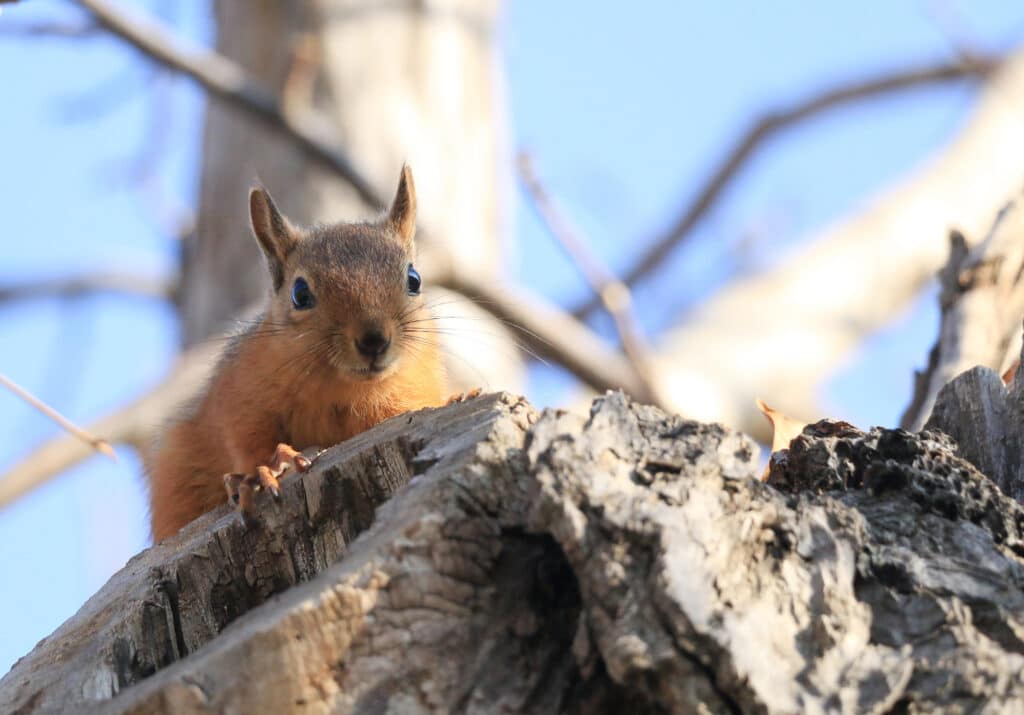
Any of these signs in a home with known squirrel activity on the roof or in the attic should be treated as a potential emergency. Do not wait to investigate.
Other Damage Squirrels Do to Riverside Homes
Electrical damage gets the most attention because of the fire risk, but it is far from the only way squirrels damage a property.
Insulation destruction. Squirrels tear through attic insulation to use as nesting material. This reduces your home’s thermal efficiency, drives up energy costs, and often requires full insulation replacement to restore the attic to a safe, functional condition.
Contamination.
Squirrel urine and droppings accumulate in the areas where they nest. Over time, this creates staining on ceilings and walls, odor problems throughout the home, and potential health concerns from the pathogens rodents carry. A squirrel that has been nesting in an attic for a full season can leave behind significant contamination that requires professional remediation.
Structural Damage
Squirrels gnaw on wood to keep their teeth filed down. Rafters, fascia boards, soffits, and framing are all targets. In older Riverside homes where wood construction is more common, this type of damage can compromise structural integrity if left unaddressed long enough.
Plumbing Damage
PVC pipes and plastic fittings are no match for a squirrel’s teeth. Chewed pipes create slow leaks inside walls that often go undetected until mold growth or water damage makes them visible.
What Is the 5-7-9 Rule for Squirrels?
The 5-7-9 rule is a practical framework for understanding how squirrels access your home and how to limit their ability to do so.
The three numbers represent a squirrel’s physical capabilities:
5 feet is how high a squirrel can jump vertically from a standing position on the ground.
Any opening, vent, or gap within 5 feet of ground level is reachable by a squirrel jumping from the yard.
7 feet is how far a squirrel can leap horizontally.
Tree branches, fence lines, deck railings, outdoor furniture, and utility lines within 7 feet of your roofline or exterior walls all serve as launching points for squirrels to reach your home.
9 feet is how far a squirrel can safely drop from above.
Overhanging branches, utility lines, and adjacent structures within 9 feet above your roofline give squirrels the ability to drop directly onto your roof and access entry points from there.
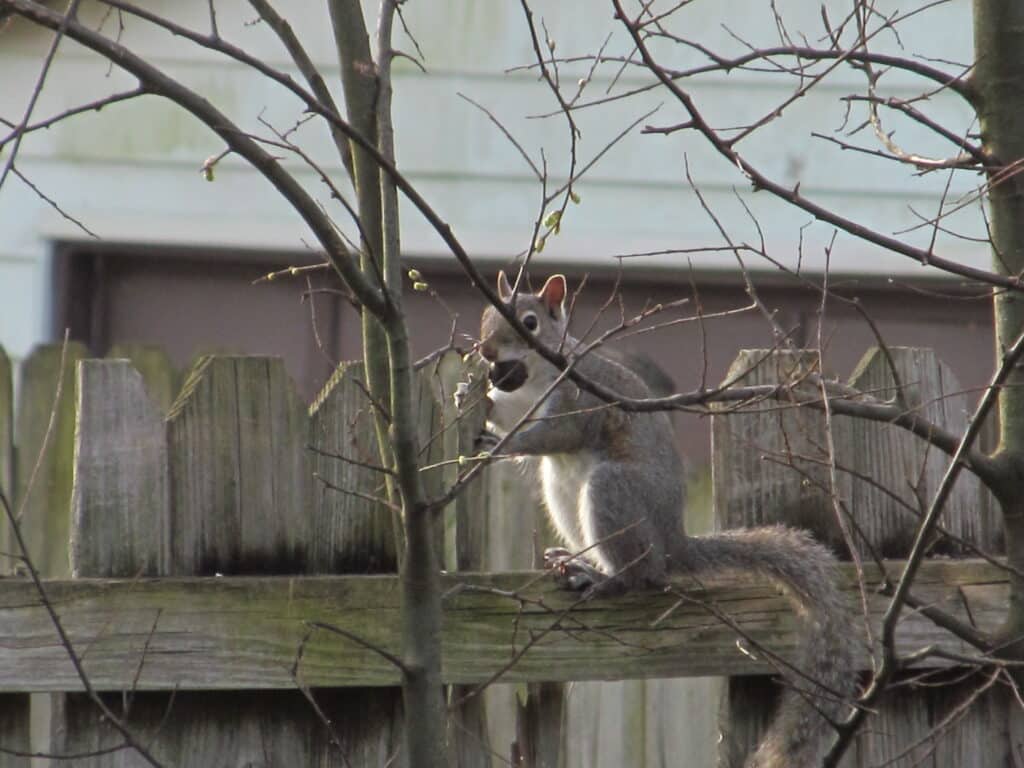
Understanding these numbers helps identify exactly where squirrels are getting in. If a tree branch is within 7 feet of your roofline, squirrels are using it as a bridge to your home. If there is a gap in your soffit within 5 feet of the ground, that is an open door. Applying the 5-7-9 rule during a property walkthrough reveals vulnerabilities that are easy to miss without this framework.
For Riverside homes surrounded by mature trees, dense landscaping, and the type of warm-weather vegetation common throughout the Inland Empire, applying the 5-7-9 rule often uncovers multiple access points that need to be addressed.
Signs Squirrels Have Already Gotten Inside
Catching a squirrel infestation early significantly reduces the cost and scope of remediation. These are the most common signs that squirrels are already inside a Riverside home.
Scratching or scurrying sounds in the attic or walls.
Squirrels are most active at dawn and dusk. Sounds in the attic or ceiling during those hours are a strong indicator of a squirrel presence. Unlike rodents such as rats and mice, squirrels are active during daylight rather than primarily at night.
Visible entry points on the exterior.
Look for chewed or enlarged gaps around soffits, fascia boards, attic vents, and roof edges. Squirrels gnaw around small openings to make them large enough to enter.
Nesting material visible in the attic.
Leaves, twigs, insulation, and shredded materials bundled together in a corner of the attic indicate an active or recent nest.
Droppings in the attic or near entry points.
Squirrel droppings are small, oval-shaped pellets roughly a quarter inch in length. Finding them in concentrated areas indicates an established presence.
Damage to soffits or fascia visible from the ground.
Chew marks and torn edges along the roofline are often visible without needing to access the attic.
If you are seeing any of these signs, the time to act is now. According to the University of California Agriculture and Natural Resources, squirrels and other rodents that establish themselves inside structures require professional intervention to fully resolve. Exclusion without confirming all animals have exited first can trap squirrels inside, leading to additional panic-driven damage as they attempt to escape.
Why Squirrel Pressure is Higher in Riverside, CA
The climate and landscape conditions in Riverside County make squirrel pressure a year-round concern rather than a seasonal one. Mild temperatures mean squirrels remain active all year. Mature tree canopies throughout Riverside neighborhoods give squirrels constant access to rooflines. And the warm, dry conditions that make attics comfortable for people also make them attractive nesting environments for squirrels seeking shelter.
Properties near open space, parks, riverbeds, and dense vegetation see higher squirrel activity. But no Riverside neighborhood is immune. Squirrels adapt quickly to urban and suburban environments and are not deterred by proximity to human activity.
When to Call a Professional
DIY squirrel deterrents — repellents, ultrasonic devices, predator decoys — provide at best a temporary reduction in activity. They do not remove squirrels that are already inside, do not seal entry points, and do not address the damage that has already occurred.
Professional squirrel control involves three essential steps: removing the animals that are currently inside, sealing all entry points with materials squirrels cannot chew through, and assessing the damage to wiring, insulation, and structure.
Attempting to seal entry points before confirming all squirrels have exited is one of the most common mistakes homeowners make. Trapped squirrels cause significantly more damage than those that still have access to the outdoors.
Southland Pest Control provides squirrel control services throughout Riverside and Riverside County. Our licensed technicians identify how squirrels are accessing your home, remove the animals, and seal the entry points with materials designed to hold up against gnawing. If you are hearing activity in your attic or have spotted entry points on your roofline, do not wait.
Contact us today for a free property assessment and get the problem resolved before it becomes a fire hazard or a major repair.
(951) 653-7964 | Schedule Your Service