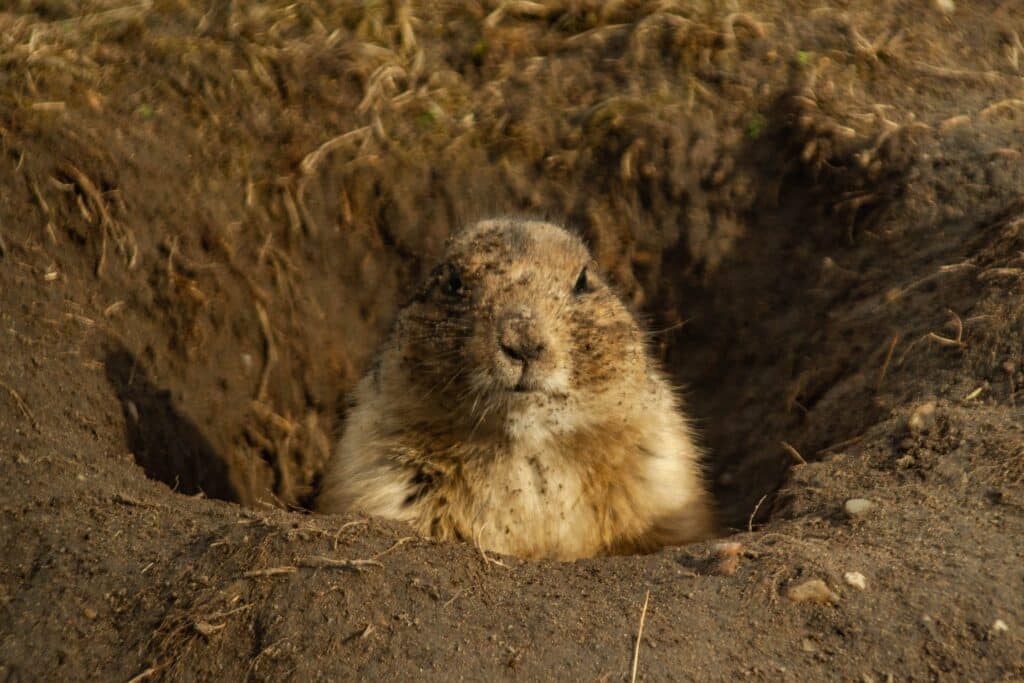
Why are there gophers in my yard? Gophers show up because your property offers exactly what they need: food, soft soil, and shelter. Your well-watered lawn, vegetable garden, and landscaping create the perfect gopher habitat. The good news is that once you understand what attracts them, you can take steps to remove them for good.
If you’ve spotted crescent-shaped dirt mounds across your Riverside lawn, gophers have moved in. This guide explains why they chose your yard and what you can do about it.
What Attracts Gophers to Your Yard?
Gophers don’t pick yards at random. They look for specific conditions that make survival easy. Here are the main reasons gophers target certain properties.
Food Sources
Gophers are herbivores with big appetites. They eat plant roots, bulbs, tubers, and grass from below ground. Your yard becomes a buffet when it offers these foods:
- Root vegetables like carrots, potatoes, and beets
- Flower bulbs such as tulips and daffodils
- Grass roots from well-maintained lawns
- Tree and shrub roots, especially young plants
- Garden plants including herbs and ornamentals
A healthy, thriving landscape is actually more attractive to gophers. The better your plants grow, the more food gophers find underground.
Soft, Moist Soil
Riverside’s irrigated yards create perfect digging conditions. Gophers prefer loose, sandy soil that’s easy to tunnel through. Regular watering keeps the ground soft year-round.
Overwatered lawns are especially appealing. Moist soil lets gophers dig with less effort. It also produces juicier, more nutritious roots for them to eat.
Shelter and Safety
Gophers spend almost their entire lives underground. They need yards where they can dig extensive tunnel systems without disturbance. Quiet areas with dense vegetation provide extra cover.
Properties next to open fields, hillsides, or undeveloped land see more gopher activity. These areas serve as gopher “highways” where populations spread from one yard to the next.
Why Gophers Chose Your Yard Specifically
You might wonder why gophers picked your property over your neighbor’s. Several factors make certain yards more attractive.
You Have a Vegetable Garden
Vegetable gardens are gopher magnets. Root vegetables grow deep underground, right where gophers live and feed. A single carrot patch can attract gophers from surrounding areas.
According to the University of California Integrated Pest Management Program, gophers feed primarily on roots and fleshy portions of plants they encounter while digging. Gardens packed with these foods are impossible for gophers to resist.
Your Lawn Gets Regular Water
Consistent irrigation makes your yard a gopher paradise. The moisture softens soil and encourages deep root growth. Both conditions benefit gophers.
Riverside’s warm climate means many homeowners water their lawns frequently. This creates ideal burrowing conditions that gophers seek out.
Neighboring Properties Have Gophers
Gophers migrate from one property to another. If your neighbors have gopher problems, the rodents will eventually spread to your yard too. Their tunnel systems can span several hundred feet, crossing property lines easily.
Gopher populations also grow over time. A single female can produce up to three litters per year in irrigated areas. Without control, numbers increase rapidly.
Signs You Have a Gopher Problem
Recognizing gopher activity early prevents major damage. Watch for these warning signs:
Fresh dirt mounds. Gophers push soil to the surface as they dig. These mounds look like fans or crescents, with a plugged hole off to one side.
Dying plants. When gophers eat roots from below, plants wilt suddenly. You might notice vegetables or flowers disappearing into the ground.
Damaged irrigation. Gophers chew through plastic sprinkler lines and drip irrigation tubing. Unexplained leaks or dry spots often point to gopher damage.
Sinking soil. Tunnel systems weaken the ground above them. You might feel soft spots when walking across your lawn.
Why You Should Remove Gophers Quickly
Gophers cause serious damage when left unchecked. A single gopher can create several mounds per day and dig tunnels up to 200 yards long.
Damage to Plants and Gardens
Gophers destroy gardens from below. They eat roots, pull plants underground, and girdle tree bark. Young trees and vegetable crops suffer the most damage.
Damage to Irrigation Systems
Gophers gnaw through flexible plastic pipes. This damages drip lines, sprinkler systems, and underground cables. Repair costs add up quickly.
Safety Hazards
Gopher tunnels create tripping hazards. The ground above tunnels can collapse unexpectedly. This puts people and pets at risk, especially on uneven terrain.
Rapid Population Growth
One gopher becomes many gophers fast. In irrigated areas like Riverside, gophers breed year-round. Waiting makes the problem worse and removal more difficult.
How to Get Rid of Gophers in Your Yard
Several methods can remove gophers from your property. The best approach depends on the size of your infestation.
Professional Trapping
Trapping remains the most effective gopher control method. Licensed technicians locate active tunnel systems and place traps inside. This targets gophers directly without harming your landscape.
At Southland Pest Control, we specialize in gopher control and removal throughout Riverside. Our technicians use proven techniques that eliminate gophers safely and humanely.
Exclusion Methods
Wire mesh barriers can protect specific areas. You can install gopher baskets around plant roots at planting time. Underground fencing keeps gophers out of raised beds and garden areas.
However, exclusion works best for prevention. It won’t remove gophers that already live in your yard.
What Doesn’t Work
Some popular methods don’t actually control gophers:
- Ultrasonic devices don’t frighten gophers away
- Castor oil and other repellents show little effectiveness in research
- Flooding tunnels rarely reaches gophers deep underground
- Chewing gum or laxatives are myths with no scientific support
Save your time and money by avoiding these ineffective methods.
How to Make Your Yard Less Attractive
After removing gophers, take steps to discourage them from returning.
Reduce Watering
Cut back on irrigation where possible. Drier soil is harder to dig and produces fewer tasty roots. Focus water on specific planting areas rather than broad lawn coverage.
Choose Gopher-Resistant Plants
Some plants naturally repel gophers. Consider adding these to your landscape:
- Lavender
- Rosemary
- Daffodils
- Marigolds
- Salvia
Gophers avoid plants with strong scents or unpleasant textures.
Remove Food Sources
Limit root vegetables in open garden beds. Use raised beds with wire mesh bottoms for vegetable gardens. Keep fallen fruit cleaned up around trees.
Maintain Your Property
Clear brush piles and dense vegetation near your lawn. These provide cover for gophers traveling between properties. A tidy yard is less inviting to burrowing pests.
When to Call a Professional
Some situations require expert help:
- Multiple mounds appearing daily across your lawn
- Damage to irrigation systems or underground utilities
- Previous DIY attempts haven’t worked
- Large properties with extensive tunnel systems
- You want fast, guaranteed results
Professional gopher control saves time and prevents ongoing damage. Technicians know exactly where to trap for maximum effectiveness.
Reclaim Your Riverside Yard
Now you know why gophers are in your yard. They found food, soft soil, and shelter—everything they need to thrive. But you don’t have to live with these destructive pests.
At Southland Pest Control, we’ve helped Riverside homeowners eliminate gophers since 2007. Our eco-friendly methods target gophers directly without harming your family, pets, or landscape.
Ready to get rid of gophers for good? Contact Southland Pest Control today for a free inspection. We’ll assess your property and create a customized removal plan that works.
Call us at (951) 653-7964 or fill out our online form to get started.