What Are Drywood Termites? This is a question many Southern California homeowners ask when they find small piles of pellets or damaged wood. Drywood termites live inside dry wood and do not need soil contact. As a result, they can infest walls, attics, and furniture without obvious warning.
Unlike subterranean termites, this type of termites build colonies directly inside wooden structures. Therefore, infestations often go unnoticed for months or even years. However, early detection can prevent costly repairs.
In Southern California, they stay active most of the year. Therefore, homes in Riverside face ongoing risk.
How Are Drywood Termites Different from Other Termites?
Drywood termites behave differently than subterranean termites.
Here are the key differences:
-
They live entirely inside wood
-
They do not build mud tubes
-
They create small kick-out holes
-
They leave behind pellet-like droppings
Subterranean termites require soil contact. However, drywood termites infest dry lumber, trim, and even furniture.
Because they live inside wood, detection often becomes difficult.
Signs of Drywood Termites in Your Home
The first signs are usually subtle. However, knowing what to look for helps.
Common warning signs include:
-
Small piles of tiny pellets (called frass)
-
Hollow-sounding wood
-
Swarmers near windows
-
Discarded wings
-
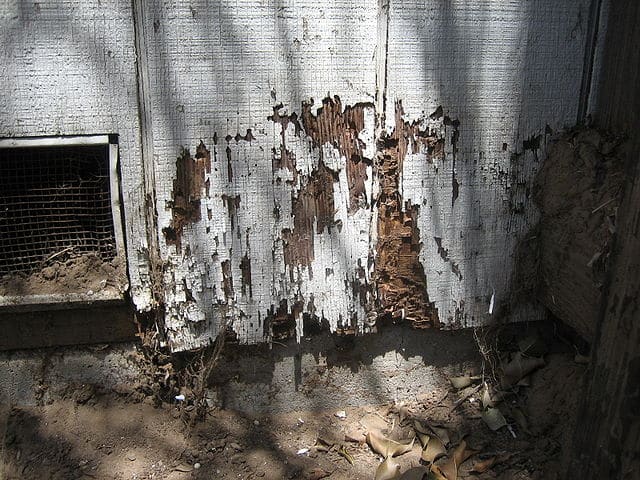
Blistered or cracked paint
Frass looks like small sand-like pellets. Termites push these out of small holes as they tunnel inside wood.
If you see these signs, act quickly.
What Damage Can They Cause?
Drywood termites slowly eat wood from the inside out. As a result, damage spreads silently.
They can damage:
-
Structural beams
-
Wall studs
-
Door frames
-
Window frames
-
Wooden furniture
Because they tunnel through wood, they weaken support structures. Over time, this damage can become severe.
According to the University of California Statewide Integrated Pest Management Program, drywood termites can cause significant structural damage if left untreated.
Therefore, early treatment matters.
Signs, Damage & How to Get Rid of Them in Southern California Homes
Riverside’s warm climate makes homes especially vulnerable. Drywood termites prefer warm, dry conditions.
Additionally, many homes in Southern California use wood framing. Therefore, infestations spread easily once termites enter.
Because they live inside wood, surface sprays often fail.
So, if you live in Southern California be sure to contact Southland Pest Control for termite inspection services immediately.
How Do They Get Into Your Home?
Drywood termites enter through exposed wood or small cracks.
Common entry points include:
-
Roof eaves
-
Attic vents
-
Window trim
-
Exterior siding
-
Gaps around doors
Swarming termites search for new nesting sites. Once inside, they create a colony in hidden wood.
Therefore, sealing cracks and maintaining wood helps reduce risk.
How to Get Rid of Them
Professional treatment offers the most reliable solution.
Treatment options may include:
-
Localized wood treatments
-
Foam injections into galleries
-
Heat treatments
-
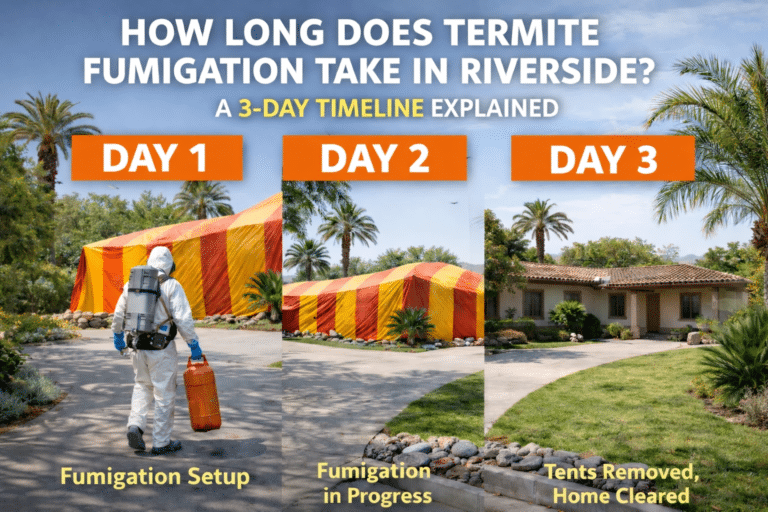
Whole-structure fumigation
Each method depends on infestation size. Therefore, a professional inspection becomes critical.
Learn more about termite treatment services here.
Professional treatment eliminates the colony, not just visible damage.
Why DIY Methods Often Fail
DIY sprays rarely reach hidden galleries. Because drywood termites stay deep inside wood, surface treatments miss them.
Additionally, untreated colonies continue expanding. Therefore, visible signs may disappear temporarily but return later.
Professional inspection identifies the full extent of damage.
How to Prevent
Prevention starts with maintenance.
Follow these steps:
-
Seal cracks in siding and trim
-
Paint exposed wood
-
Replace damaged boards
-
Keep attic vents screened
-
Schedule regular inspections
Additionally, inspect wooden furniture brought into your home.
Because they spread through infested wood, furniture can introduce colonies.
When Should You Call Southland Pest Control?
Call a professional if you see frass, wings, or hollow wood. Do not wait for severe damage.
Early detection reduces repair costs. Moreover, professional treatment protects your home’s structure.
If you suspect drywood termites, contact Southland Pest Control today for an inspection.
Their Riverside team provides effective, long-term termite solutions.