Riverside County’s climate is one of the biggest factors influencing when and why pests invade local homes. Southern California experiences a unique mix of mild winters, hot dry summers, occasional heavy rain, and sudden temperature swings — all of which directly impact pest activity.
Understanding how seasonal weather patterns affect pests can help homeowners take proactive steps before infestations start. At Southland Pest Control, we see clear seasonal trends that explain why certain pests appear at specific times of the year.
Why Weather Plays Such a Big Role in Pest Activity
Pests rely on environmental conditions for survival. Temperature, moisture levels, and food availability determine when pests reproduce, migrate, or seek shelter indoors. Riverside County’s climate creates predictable cycles that pests follow year after year. Key weather factors that influence pests include:- Rainfall that drives pests indoors
- Heat that accelerates reproduction cycles
- Drought conditions that push pests toward water sources
- Cold snaps that force rodents into structures
Winter: Rainy Conditions Drive Pests Indoors
Winter in Riverside County brings cooler temperatures and periodic rain. While winters are relatively mild, increased moisture creates ideal conditions for certain pests. Common winter pest issues include:- Ants moving indoors to escape saturated soil
- Rodents seeking warmth, food, and shelter inside homes
- Spiders following prey insects into garages and attics
Spring: Reproduction and Colony Expansion
Spring is one of the busiest pest seasons in Southern California. Warmer temperatures and increased daylight signal pests to reproduce. Spring pest activity often includes:- Ant colonies expanding rapidly
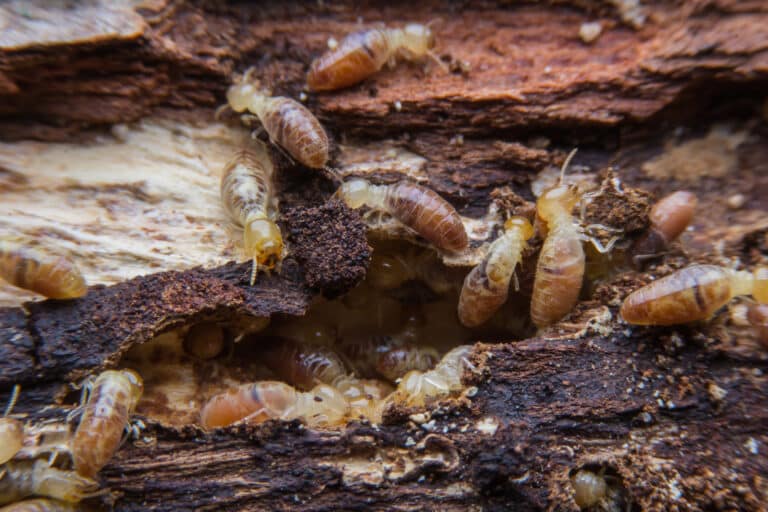
- Termite swarmers emerging after rainfall
- Mosquito populations rising near standing water
Summer: Heat Accelerates Pest Problems
Riverside County summers bring extreme heat and dry conditions. While many pests thrive in warmth, drought pushes them closer to homes in search of water. Summer pest concerns include:- Ants trailing toward kitchens and bathrooms
- Mosquitoes breeding near irrigation systems
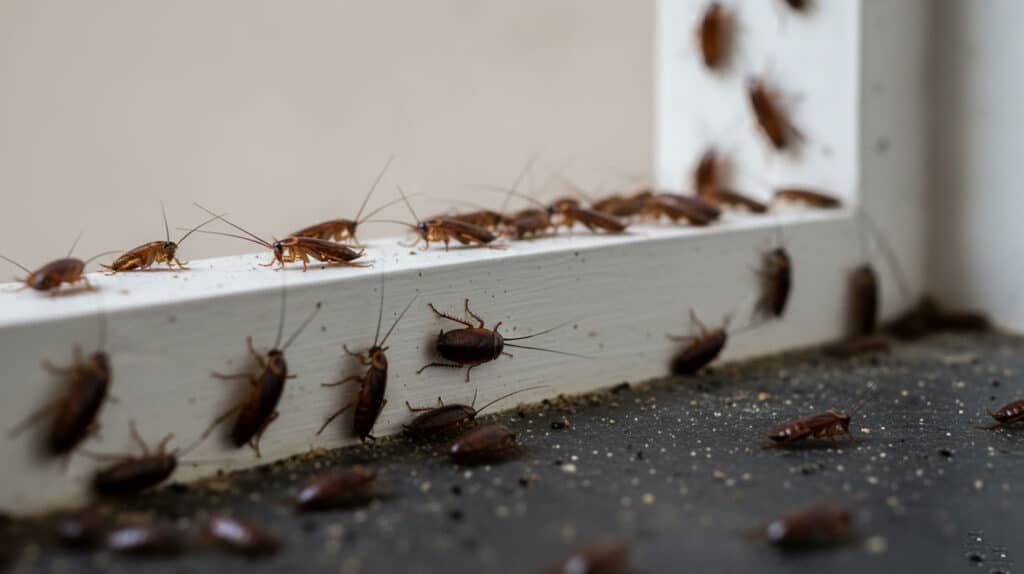
- Cockroaches seeking cool, dark indoor spaces
Fall: Transition Season Brings Increased Rodent Activity
As temperatures begin to drop in the fall, pests prepare for cooler months. Rodents become especially active during this time. Fall pest trends include:- Mice and rats entering attics and wall spaces
- Spiders becoming more noticeable indoors
- Stored-product pests appearing in pantries
How Homeowners Can Stay Ahead of Seasonal Pest Surges
The best pest control strategy is prevention. Understanding seasonal behavior allows homeowners to act before pests become a problem. Proactive steps include:- Sealing cracks and gaps around doors and windows
- Reducing moisture around foundations
- Maintaining landscaping away from structures
- Scheduling routine professional inspections