Do you want to know how to stop wasps from getting into your house? Start by sealing entry points, removing food sources, and inspecting for nests early. If you see repeated activity, you may already have a hidden nest nearby.
Wasps enter homes through small cracks and roof gaps. However, you can stop them with the right steps. In Riverside, California, warm weather keeps wasps active most of the year. Therefore, prevention matters even more here.
Why Are Wasps Getting Into Your House?
Wasps enter homes for food, shelter, and nesting space. They look for sweet smells and protected areas. As a result, kitchens, attics, and wall voids attract them.
In Riverside County, long summers extend wasp season. Because of this, homeowners often see activity from early spring through late fall. If you notice more than one wasp inside, you likely have a nest nearby.
How to Stop Wasps from Getting Into Your House by Sealing Entry Points
Sealing openings is the most important step. Wasps squeeze through small cracks around vents, siding, and rooflines.
Check these areas carefully:
- Roof vents and attic screen
- Gaps around window frames
- Cracks in siding
- Garage door edges
- Openings around pipes
Next, use caulk or weatherproof sealant to close cracks. Also, install fine mesh screens over vents. As a result, you block entry before nesting begins.
Remove What Attracts Wasps
Food smells draw wasps quickly. Therefore, remove attractants around your home.
Focus on:
- Cleaning outdoor trash bins
- Sealing garbage tightly
- Picking up fallen fruit
- Rinsing recycling containers
- Covering outdoor drinks
Additionally, keep pet food indoors. Even small food spills can attract scouting wasps.
Signs You Already Have a Wasp Nest
Seeing one wasp does not always mean trouble. However, repeated sightings often signal a nest.
Watch for:
- Buzzing inside walls
- Wasps entering the same crack
- Increased activity near roof edges
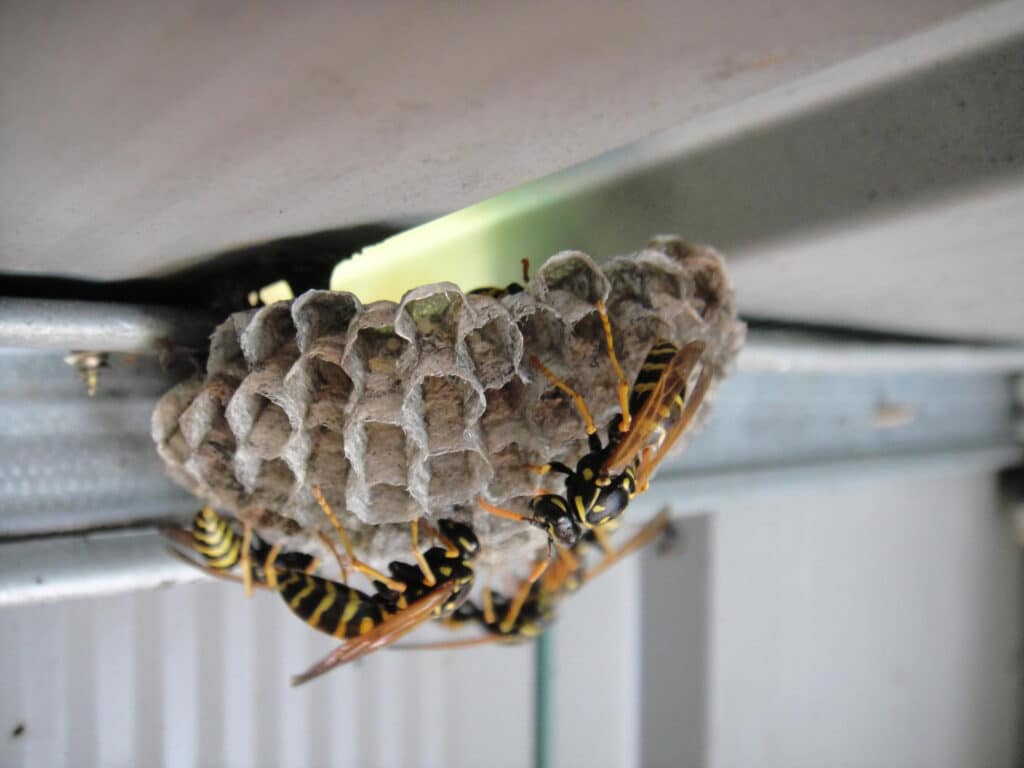
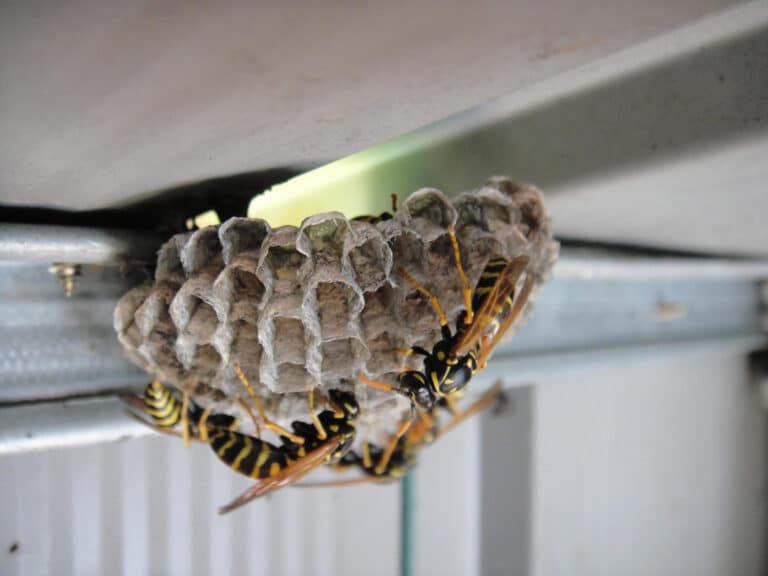
- Small paper-like structures in eaves
- Chewed wood fibers near decks
If you hear buzzing in walls, act fast. Wasps can build nests inside wall voids. According to the University of California Integrated Pest Management program, allergic reactions to wasp stings can include hives, swelling, nausea, difficulty breathing, and in some cases, life-threatening anaphylaxis requiring immediate medical care, so do not ignore warning signs.
Can Wasps Build Nests Inside Walls?
Yes, wasps can build nests inside walls and attics. They enter through tiny gaps and expand the nest in hidden spaces.
First, a queen finds shelter. Then, she builds small cells. As the colony grows, activity increases around entry points.
Because wall nests stay hidden, DIY sprays often fail. In fact, spraying the outside rarely reaches the colony core.
How to Stop Wasps from Getting Into Your House with Professional Help
Professional inspection provides the safest solution. At Southland Pest, trained technicians inspect your entire property.
They check:
- Attics and crawl spaces
- Rooflines and soffits
- Exterior siding
- Yard structures
Then, they remove nests safely and seal entry points. You can learn more about professional wasp removal here.
Most importantly, professionals use targeted treatments. This prevents colony return.
Why DIY Wasp Removal Often Fails
DIY sprays seem simple. However, they rarely solve hidden nest issues.
First, homeowners often spray at the wrong time. Wasps grow more aggressive during the day. Second, nests inside walls stay protected. Third, missed entry points allow reinfestation.
As a result, the problem returns quickly.
How to Stop Wasps from Getting Into Your House Long-Term
Long-term prevention combines sealing, monitoring, and seasonal inspections.
Follow this checklist:
- Inspect your home every spring
- Seal cracks immediately
- Install tight-fitting vent covers
- Remove outdoor food sources
- Schedule yearly pest inspections
Additionally, maintain regular exterior cleaning. Clean eaves and remove old nests. Even though wasps rarely reuse nests, new queens may build nearby.
Why Riverside Homes See More Wasp Activity
Riverside’s warm climate supports long nesting seasons. Unlike colder states, Southern California rarely forces wasps into dormancy.
Therefore, colonies grow larger here. Also, stucco homes and tile roofs often create small entry gaps. Because of this, Riverside homeowners must stay proactive.
How to Stop Wasps from Getting Into Your House During Summer in Riverside
Summer increases wasp activity. Hot Inland Empire weather speeds up nesting growth. Because of this, prevention should start early.
Trim trees and shrubs away from your roof. Also, inspect your attic in late spring. If you stop nests early, you prevent larger infestations later.
When to Call Southland Pest
Call immediately if you see multiple wasps daily. Also, call if you hear buzzing inside walls.
Do not attempt removal if:
- The nest is high on the roof
- The nest is inside walls
- Someone in your home has allergies
- Activity continues after spraying
Early professional removal prevents property damage and sting risk.
Final Thoughts: How to Stop Wasps from Getting Into Your House?
How to stop wasps from getting into your house? Seal entry points, remove attractants, inspect early, and act fast. In Riverside, CA, prevention matters even more due to year-round activity.
Small steps now prevent larger infestations later. However, hidden nests require professional treatment.
If you suspect a nest or ongoing wasp activity, contact Southland Pest for expert help today.
Their local Riverside team will inspect your home and protect your family safely.