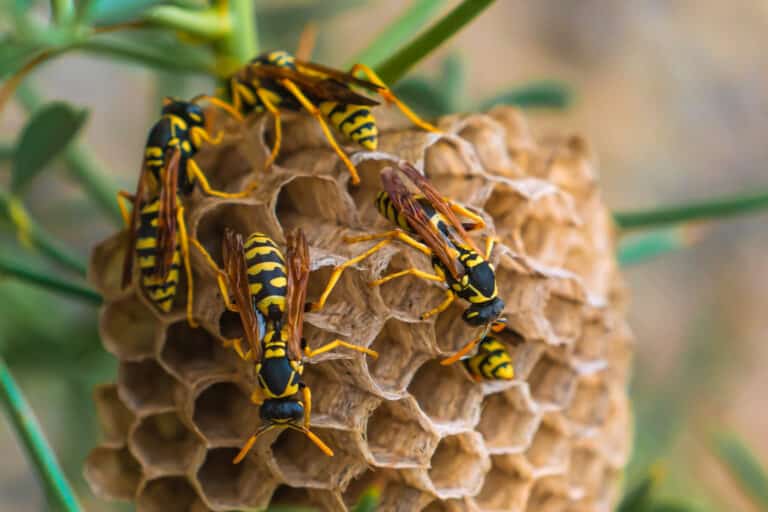
Wasps around your porch can quickly turn a relaxing outdoor space into something you avoid altogether. If they’re hovering near the door, showing up during meals, or building nests under eaves, you’re not alone. Many homeowners ask, “How do I keep wasps away from my porch without getting stung?” The good news is that a few smart prevention steps can make a big difference—especially if you start early in the season.
At Southland Pest Control, we help homeowners stop wasp activity safely and keep stinging insects from coming back. Below are practical, porch-friendly tips you can use right now, plus guidance on when it’s time to call in a professional.
Internal Link: General Pest Control Services – Southland Pest Control
Why Wasps Hang Around Porches
Your porch offers exactly what wasps look for: shelter, food, and consistent foot traffic that doesn’t always scare them off. When you understand what attracts them, you can remove the things that make your porch a “perfect spot.”- Sheltered nesting zones: Eaves, porch ceilings, beams, corners, and railings protect nests from wind and rain.
- Easy food sources: Sweet drinks, outdoor trash, fallen fruit, pet food, and leftover crumbs bring wasps back again and again.
- Water access: Leaky hoses, dripping spigots, plant saucers, or clogged gutters can draw them in.
- Warm surfaces: Sunny porch areas create warm microclimates that encourage activity.
7 Proven Ways to Keep Wasps Away From Your Porch
1. Keep Food and Drinks Covered Outdoors
Wasps love sugar and protein. If you eat outside, cover food between bites and use cups with lids. Rinse cans and bottles before tossing them in an outdoor bin, and wipe tables quickly after meals. These small steps reduce “reward visits,” which is how porch problems often grow.2. Seal Trash Cans Tight (and Keep Them Away From the Door)
Outdoor trash is one of the biggest wasp magnets—especially when it includes soda cans, fruit, or meat packaging. Use a tight-fitting lid, rinse containers when possible, and place bins as far from your porch entry as you can. If your bin area is close to the porch, wash the inside occasionally to reduce odors.3. Remove Standing Water and Fix Drips
Wasps need water, especially during hot months. Dump water from plant trays, check for dripping spigots, and clear gutters so water doesn’t pool near the home. A dry perimeter makes your porch less appealing overall.4. Block Early Nest-Building Before It Starts
The best time to stop wasps is early—before a nest is established. Check under eaves, porch ceilings, soffits, light fixtures, railings, and corners. If you spot a tiny “starter” nest (small and open), that is a sign the area will likely become a bigger problem soon.5. Use Natural Repellents in Targeted Spots
Some homeowners use peppermint, clove, or eucalyptus oil as a deterrent. When applied correctly in porch corners and under eaves (and reapplied regularly), strong scents may reduce activity. If you have pets, apply with care and keep products out of reach.6. Hang a Decoy Nest Early in the Season
Wasps can be territorial. Hanging a decoy nest in a common nesting corner may help reduce new nest starts—especially in spring. For best results, place it where you’ve seen activity in previous years and install it before nests appear.7. Replace Bright Exterior Lights (or Change Bulbs)
Nighttime porch lights can attract insects, which can also attract wasps looking for prey. Consider using warmer, bug-reducing bulbs for porch fixtures. This helps reduce overall bug activity near entrances and outdoor seating areas.Why DIY Wasp Control Can Backfire
Spraying a nest without proper timing, protection, and product selection can provoke aggressive stinging behavior. Some nests are hidden in soffits, wall voids, or rooflines—meaning surface sprays don’t solve the problem. DIY treatment can also miss the source and lead to repeat activity within days. If you’re dealing with frequent wasps, visible nests, or aggressive behavior near doors and walkways, professional service is the safest route for you and your family.When to Call Southland Pest Control for Wasp Control
It’s time to call a professional if you notice any of the following:- Wasps returning to the same porch area every day
- A visible nest under eaves, railings, or in ceiling corners
- Wasps entering a wall, soffit, or attic vent area
- Increased aggression when people walk by
- Concern for children, pets, or anyone with sting allergies
Helpful Safety Resource
For general safety guidance on avoiding stings and understanding risks, you can reference this official resource: External Link: CDC: Insect Stings & Bite Safety InformationGet Your Porch Back
You should be able to enjoy your porch without worrying about stings. If you want lasting prevention—or you suspect a nest is already established—Southland Pest Control is ready to help. Contact us today to schedule an inspection and stop wasps at the source.Internal Link: General Pest Control Services – Southland Pest Control