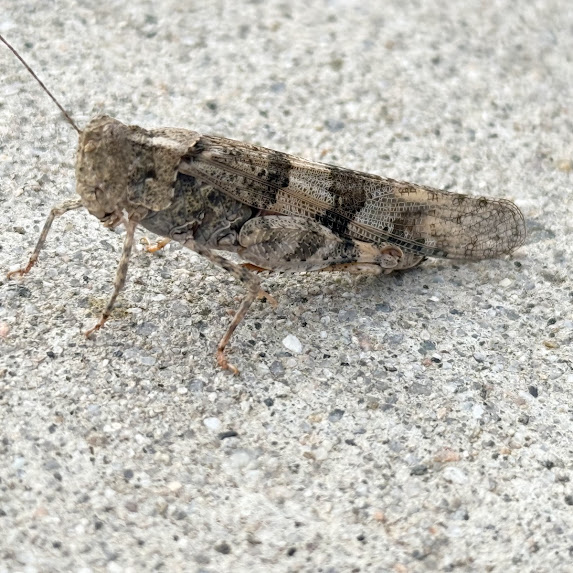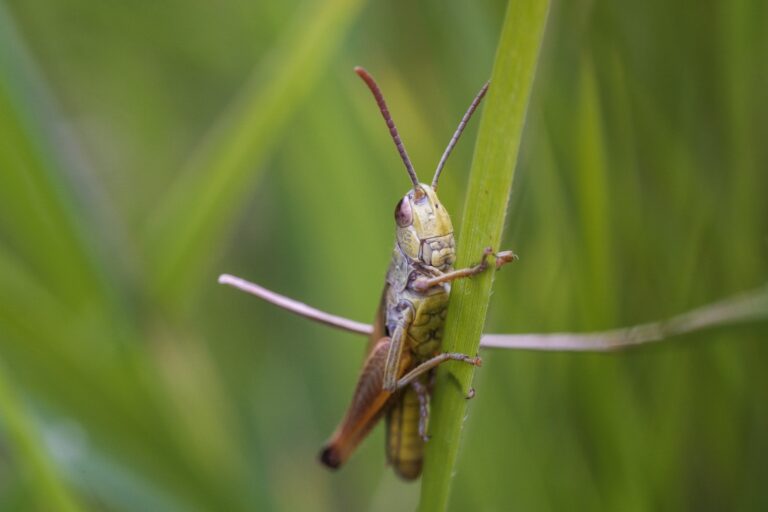
Figuring out how to get rid of grasshoppers can feel overwhelming when hundreds of them suddenly take over your yard. If you live in Riverside, Moreno Valley, or anywhere in the Inland Empire, you already know the drill. After a wet spring, grasshopper populations explode in the nearby foothills and rangelands. Then they migrate straight into your neighborhood looking for food.
The good news? You can fight back. Below, we break down what actually works, what doesn’t, and when it’s time to call a professional.
Why Are Grasshoppers So Bad in Southern California Right Now?
Southern California’s weather creates the perfect storm for grasshopper outbreaks. According to the UC Statewide Integrated Pest Management Program, large grasshopper populations build up in foothills and rangelands after a wet spring. Once the wild grasses dry out in early summer, the grasshoppers move downhill into neighborhoods, gardens, and landscaped yards.
Areas like Moreno Valley, Riverside, and Perris sit right next to open rangeland and the San Jacinto Valley foothills. That makes these communities some of the first stops for migrating grasshoppers every year. In severe outbreak years, adult grasshoppers can fly 15 or more miles per day in search of food.
On top of that, major outbreaks tend to happen every 8 to 10 years in California. Some last two or three seasons in a row. So if you’re seeing swarms right now, there’s a good chance they’ll return next year too.
How to Get Rid of Grasshoppers With DIY Methods
If you’re dealing with a small to moderate number of grasshoppers, several home remedies can help reduce the population. However, keep in mind that none of these will fully stop a major infestation on their own.
Remove Their Hiding and Breeding Spots
This is the single most important step you can take. Grasshoppers love tall grass, weeds, and overgrown areas. They also lay their eggs in undisturbed soil along fence lines, under decks, and in neglected corners of your yard.
- Mow your lawn regularly and keep it between 2.5 to 3.5 inches tall.
- Clear weeds, brush piles, and debris near garden beds and flower borders.
- Trim vegetation along fence lines and property edges.
- Till garden soil in early spring and again in late fall to expose and destroy grasshopper eggs before they hatch.
Protect Your Plants With Physical Barriers
Covering your most valuable plants can save them from grasshopper damage. However, you need to choose the right material. Hungry grasshoppers will chew right through cloth and plastic mesh covers.
- Use metal window screening over your most important plants. Grasshoppers cannot chew through metal.
- Install floating row covers over vegetable beds as a first line of defense.
- Leave some less important plants uncovered so grasshoppers have something else to eat.
Try Natural Repellents and Sprays
Several natural sprays can help repel grasshoppers or reduce their numbers. Keep in mind that you will need to reapply these after every rain or watering session.
- Garlic spray: Blend minced garlic with water, bring to a boil, let it cool, then mix one part solution with three parts water in a spray bottle.
- Neem oil: Mix 1 teaspoon of neem oil with 2 cups of water and a drop of dish soap. This works best on young nymphs in spring and early summer.
- Vinegar solution: Combine 1 part apple cider vinegar with 3 parts water. Spray directly on affected areas. Be careful, though, because vinegar can damage tender leaves with repeated use.
- Diatomaceous earth: Sprinkle food-grade diatomaceous earth around plants and garden beds. It damages grasshopper exoskeletons and causes dehydration.
Attract Natural Predators
Birds, frogs, lizards, and certain insects are natural enemies of grasshoppers. Encouraging these predators in your yard creates a long-term defense system.
- Install bird feeders and birdbaths to attract insect-eating birds like sparrows and bluebirds.
- Add shallow water sources to draw frogs and toads to your property.
- Plant native flowers like yarrow and coneflowers to attract predatory insects like robber flies.
- If you keep chickens or guinea hens, let them patrol the yard. They love eating grasshoppers.
Why DIY Grasshopper Control Often Fails
Here’s the hard truth. Once a large number of grasshoppers migrate into your yard, your options become very limited. Most insecticides only stay active for a few days against grasshoppers. Rain and irrigation wash away treatments even faster. And adult grasshoppers are much harder to kill than the smaller nymphs you see in spring.
In fact, during years with massive grasshopper migrations, even the UC IPM Program states that there is almost nothing homeowners can do to fully protect plants once the invasion reaches the garden. That’s why timing matters so much. The best window for control is early in the season before the nymphs develop wings and start migrating.
Additionally, many common insecticides are extremely toxic to bees, butterflies, and other beneficial insects that actually help keep grasshopper populations in check naturally. Spraying the wrong product at the wrong time can make the problem worse in following years by killing off the predators that would have helped.
When to Call a Professional to Get Rid of Grasshoppers
If your yard is getting overrun and DIY methods aren’t making a dent, professional pest control is the smartest next step. A licensed technician can assess the severity of your infestation, apply targeted treatments at the right time, and set up a prevention plan for the rest of the season.
At Southland Pest Control, we use an Integrated Pest Management (IPM) approach that focuses on effective, eco-friendly solutions. Instead of blanket-spraying harsh chemicals across your yard, our technicians target grasshoppers with precision while protecting bees, birds, and other beneficial species. We also help you identify breeding areas on your property and create a long-term plan to reduce future infestations.
This approach is especially important in Southern California, where grasshopper outbreaks can last multiple seasons. A one-time spray won’t solve the problem. But a professional prevention and monitoring plan will keep your yard protected all year long.
How to Prevent Grasshoppers From Coming Back
Prevention is always easier than treatment. Whether you handle things yourself or work with a pest control company, these steps will help keep grasshoppers away from your property in the future.
- Till your soil twice a year. Turn garden beds in mid-fall and again in early spring to destroy eggs before they hatch.
- Keep your yard clean. Remove tall grass, weeds, and debris regularly so grasshoppers have fewer places to hide and breed.
- Plant a trap crop. Grow a border of tall, green grass or plants around the edge of your garden. Grasshoppers will flock to the trap crop instead of your vegetables. Just don’t mow it or let it dry out.
- Water strategically. Grasshoppers prefer dry conditions. Keeping your lawn and garden well-irrigated makes your yard less attractive to them.
- Schedule regular pest control visits. Quarterly or monthly treatments create a protective barrier that catches problems early before they become full-blown infestations.
Protect Your Riverside County Yard From Grasshoppers Today
Grasshoppers are one of the toughest pests to manage once they show up in large numbers. The key is acting early, using the right methods, and knowing when to bring in professional help. If you live in Riverside, Moreno Valley, Corona, Perris, or anywhere in the Inland Empire, Southland Pest Control has been helping homeowners deal with pest problems like this since 2007.
Don’t wait until grasshoppers destroy your garden and landscaping. Contact Southland Pest Control today for a free quote and let our licensed technicians create a plan that keeps your yard protected all season long.