How often should you schedule pest control in Southern California to keep your home protected? Most homeowners need professional treatments every three months to prevent ants, spiders, termites, and rodents from taking over. Southern California’s warm climate keeps pests active all year, making regular service essential for long-term protection.
Let’s explore the best pest control schedule for your home and why consistency matters.
Why Southern California Homes Need Regular Pest Control
Southern California’s mild weather creates the perfect environment for pests. Unlike colder regions where insects die off in winter, our pests stay active through every season.
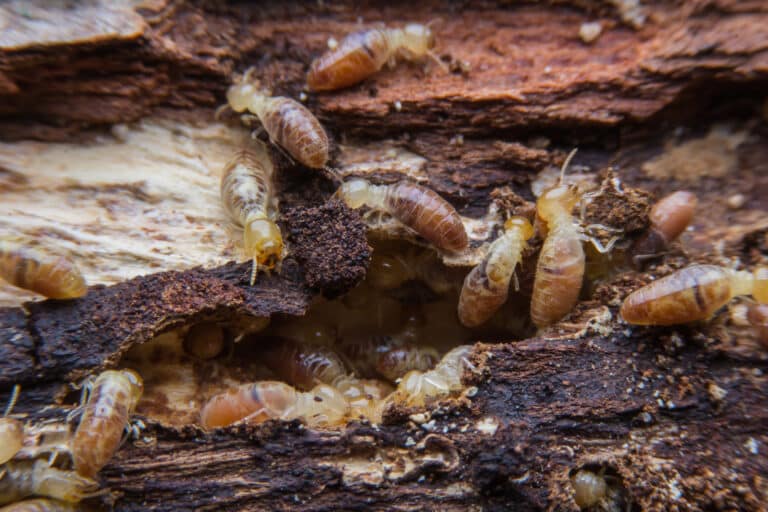
Ants march across kitchen counters year-round. Spiders build webs in corners and garages. Termites silently destroy wood structures. Rodents search for warm shelter when temperatures drop slightly in winter.
Without regular pest control treatments, these pests multiply quickly. A few ants become hundreds. One spider becomes dozens. A couple of mice become a full infestation in just weeks.
Additionally, Southern California’s urban sprawl pushes wildlife and pests into residential areas. New construction disturbs natural habitats, sending bugs and rodents into nearby homes. This makes professional pest control even more important for homeowners in Riverside, San Bernardino, and surrounding areas.
Understanding Pest Seasons in Southern California
While pests remain active year-round in Southern California, activity levels change with the seasons. Knowing these patterns helps you understand why regular treatments work best.
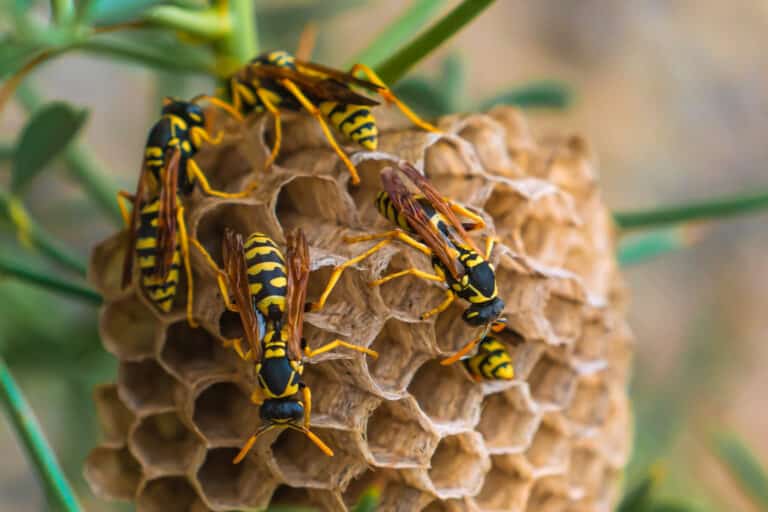
Spring (March – May): This season brings the most pest activity. Warm temperatures wake up dormant insects. Ants swarm to establish new colonies. Termites emerge for their mating flights. Bees and wasps build new nests around your property.
Summer (June – August): Heat drives pests indoors searching for water and cooler spaces. Cockroaches become more active. Flies multiply rapidly. Mosquitoes breed in any standing water. Spiders follow their prey inside your home.
Fall (September – November): Pests prepare for winter by seeking shelter. Rodents look for warm nesting spots in attics and walls. Spiders move indoors. Stink bugs and boxelder bugs gather on sunny walls before finding entry points.
Winter (December – February): Most pests slow down but don’t disappear. Rodents stay active in walls and attics. Cockroaches hide in warm, dark spaces. Spiders remain in undisturbed areas. Any warm day can trigger renewed pest activity.
The Best Pest Control Schedule for Southern California Homes
Most pest control experts recommend quarterly treatments for Southern California homes. This means scheduling professional service every three months, or four times per year.
Quarterly treatments work because they maintain consistent pest barriers around your home. The products used by professionals typically last 60-90 days before breaking down. By treating every three months, technicians refresh these barriers before they lose effectiveness.
However, your ideal schedule depends on several factors:
- Current pest pressure – Active infestations need more frequent visits
- Home location – Properties near fields, canyons, or undeveloped land see more pests
- Previous pest history – Homes with recurring problems benefit from closer monitoring
- Landscaping – Dense vegetation, mulch, and water features attract more pests
- Home age and condition – Older homes with more entry points need extra attention
Monthly Pest Control Service in Southern California
Some homes need monthly pest control treatments. This intensive schedule works best for specific situations.
Consider monthly service if you’re dealing with:
- Active ant colonies that keep returning
- Recurring cockroach problems
- Properties with heavy vegetation or near natural areas
- Homes recovering from major infestations
- Commercial properties like restaurants that can’t risk pest issues
Monthly treatments provide maximum protection. Technicians catch new pest activity immediately before it becomes a problem. This schedule costs more but saves money compared to dealing with repeated infestations.
After several months of monthly service, many homes can transition to quarterly maintenance once pest populations stay under control.
Quarterly Pest Control: The Gold Standard
Quarterly pest control represents the sweet spot for most Southern California homeowners. This schedule provides excellent protection without the higher cost of monthly visits.
Here’s why quarterly service works so well:
First, it aligns with seasonal pest changes. Technicians adjust treatments based on which pests become active each season. Spring treatments target swarming ants and termites. Summer visits focus on indoor invaders. Fall service blocks entry points before rodent season. Winter treatments maintain barriers and address any activity.
Second, quarterly visits allow technicians to spot problems early. They inspect your property every three months, catching small issues before they grow. This proactive approach prevents expensive damage and emergency treatments.
Third, the timing maintains effective pest barriers. Products break down over 60-90 days, so quarterly treatments refresh protection right when it starts weakening.
Professional quarterly pest control services include thorough inspections, interior and exterior treatments, and preventative recommendations to keep your Riverside home pest-free year-round.
Bi-Annual Pest Control in Southern California
Some low-risk homes can maintain protection with bi-annual treatments, meaning service twice per year. However, this schedule only works under specific conditions.
Bi-annual pest control might work if:
- You’ve never had serious pest problems
- Your home sits in a well-maintained neighborhood far from natural areas
- You actively practice prevention methods
- You’re willing to call for additional treatments if pests appear
- Your property has minimal landscaping and no standing water
Even then, bi-annual service carries risks. Gaps of six months between treatments leave your home vulnerable during peak pest seasons. Many homeowners who start with bi-annual service end up switching to quarterly treatments after experiencing pest activity.
If cost concerns drive you toward bi-annual service, consider this: dealing with one ant infestation or rodent problem often costs more than the difference between bi-annual and quarterly plans.
What Happens During Professional Pest Control Visits
Understanding what happens during service visits helps you appreciate the value of regular pest control schedules in Southern California.
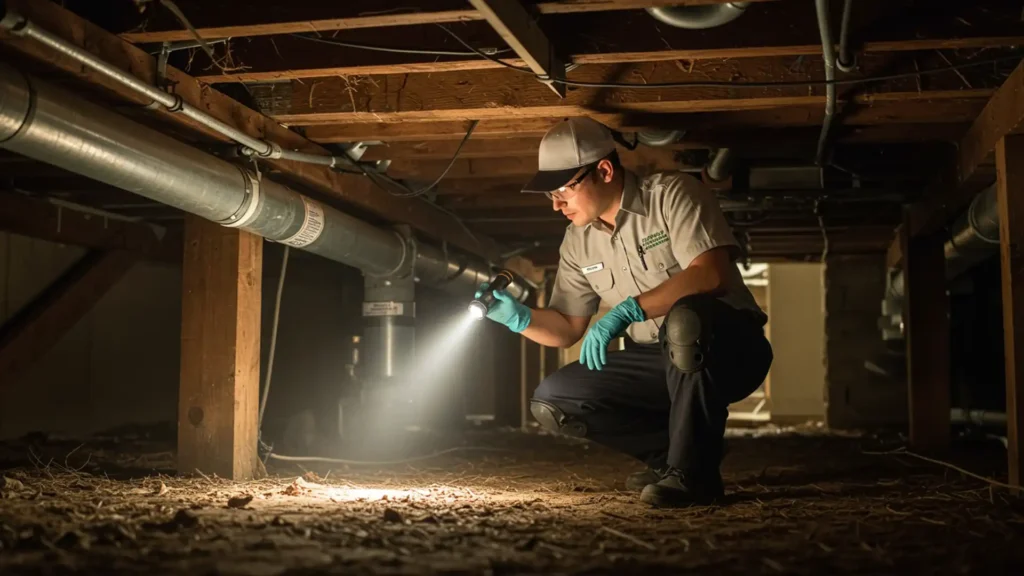
Your licensed technician starts with a thorough inspection. They examine both interior and exterior areas, looking for signs of pest activity, entry points, and conditions that attract pests. This inspection takes 15-30 minutes depending on your property size.
Next, they apply targeted treatments. Exterior applications create barriers around your home’s foundation, windows, doors, and other entry points. Interior treatments focus on problem areas like kitchens, bathrooms, and utility rooms. Products used are safe for families and pets when applied correctly.
Then, technicians address specific pest issues. If you’ve seen ants, they treat trails and entry points. For spiders, they remove webs and treat hiding spots. Rodent problems get baiting and exclusion recommendations.
Finally, your technician provides prevention advice. They point out conducive conditions like moisture problems, vegetation touching your home, or gaps that need sealing. Following these recommendations between visits enhances your protection.
According to the U.S. Environmental Protection Agency, integrated pest management combines professional treatments with prevention practices for the most effective, environmentally responsible pest control.
Between-Visit Prevention Tips
Even with regular professional service, you play an important role in keeping pests away. These prevention steps between treatments maximize your pest control schedule’s effectiveness.
Start by eliminating food sources. Store pantry items in sealed containers. Clean up crumbs and spills immediately. Don’t leave pet food out overnight. Take trash out regularly and keep bins sealed.
Next, remove water sources. Fix leaky faucets and pipes. Don’t let water accumulate in plant saucers. Clean gutters so water flows away from your foundation. Address any drainage problems around your home.
Then, seal entry points. Caulk gaps around windows and doors. Install door sweeps. Repair torn screens. Fill holes where pipes and wires enter your home. These simple steps block pests from getting inside.
Also, manage your landscaping. Trim bushes and trees away from your home. Remove leaf litter and debris. Store firewood away from your house. Reduce mulch depth near your foundation.
Finally, reduce clutter. Clean storage areas regularly. Keep garages and sheds organized. Remove cardboard boxes that attract roaches and silverfish. Less clutter means fewer hiding spots for pests.
Signs You Need More Frequent Pest Control
Sometimes your current pest control schedule isn’t enough. Watch for these warning signs that indicate you need more frequent service.
You see pests between scheduled treatments. If ants, spiders, or cockroaches appear regularly despite professional service, your treatment frequency might be too low. This suggests either heavy pest pressure or that barriers are breaking down faster than expected.
You notice pest damage. Chewed packaging, droppings, or damaged wood indicate active infestations that need immediate attention and possibly more frequent treatments.
Neighbors experience pest problems. Pest infestations spread between properties. If surrounding homes have issues, increase your service frequency to prevent pests from moving to your home.
Seasonal activity overwhelms treatments. Some properties in certain areas experience such heavy seasonal pest pressure that quarterly treatments can’t keep up. Moving to monthly service during peak seasons might be necessary.
Choosing the Right Pest Control Schedule for Your Home
Selecting the best pest control schedule depends on your specific situation. Consider these factors when deciding between monthly, quarterly, or bi-annual service.
Evaluate your pest history. Homes with recurring problems benefit from more frequent service. First-time homeowners should start with quarterly treatments and adjust based on results.
Consider your location. Properties near canyons, agricultural areas, or undeveloped land typically need monthly or quarterly service. Homes in established neighborhoods with good pest control practices might maintain protection with quarterly visits.
Think about your tolerance for pests. Some people can’t stand seeing a single ant. Others don’t mind occasional spiders. Your comfort level should influence your service frequency.
Factor in your budget. While more frequent service costs more upfront, it often saves money by preventing infestations that require expensive emergency treatments. Balance cost with peace of mind.
Get Started with Professional Pest Control Today
Regular pest control protects your Southern California home from the constant threat of ants, spiders, termites, and rodents. Don’t wait until pests take over to start a treatment schedule.
Southland Pest Control provides customized pest management solutions for homeowners throughout Riverside and San Bernardino counties. Our experienced technicians understand Southern California’s unique pest challenges and create treatment schedules that keep your home protected year-round.
We offer flexible scheduling options including monthly, quarterly, and customized service plans. Our eco-friendly treatments are safe for your family and pets while effectively eliminating pests. Plus, we back our work with satisfaction guarantees.
Stop dealing with recurring pest problems. Start protecting your home with a regular pest control schedule designed for Southern California’s climate and pest pressures.
Contact Southland Pest Control today to schedule your free inspection and find the perfect treatment plan for your home. Get the peace of mind that comes with year-round pest protection from local experts who care about your property.