How long does termite fumigation take? For termites and German roaches, expect 3 days and 2 nights. For bed bugs, the process takes 4 days and 3 nights. The timeline depends on the target pest, not your home’s size. The fumigant requires specific exposure times to eliminate different pests completely.
If you’ve just learned you need fumigation, you probably have a lot of questions. This guide walks you through every step of the process. You’ll know exactly what to expect before, during, and after your termite tenting.
Understanding the Termite Fumigation Timeline
The type of pest being treated determines how long your fumigation takes. Here’s exactly what to expect for the most common fumigation types.
Termite and German Roach Fumigation: 3 Days, 2 Nights
Day 1 (Monday example): Crews arrive to seal your home with large tarps. Gas is introduced and monitored throughout the day and night. Warning signs are posted at all entrances.
Day 2 (Tuesday example): The gas continues working through walls, attics, and wood structures. By 5 PM, the ventilation process begins. Your home requires a minimum of 12 hours of aeration.
Day 3 (Wednesday example): Between 8 and 10 AM, crews remove the tent and clear your home for re-entry. A re-entry notice is posted when safe, and you can return with your family and pets.
Bed Bug Fumigation: 4 Days, 3 Nights
Bed bugs require longer exposure times to ensure complete elimination.
Days 1-2: The tent is sealed and gas remains inside your home for two full days. Technicians monitor levels throughout.
Day 3: The ventilation process begins. Your home airs out completely during this time.
Day 4: Crews remove the tent and clear your home for re-entry.
Factors That Affect Fumigation Success
While the timeline stays consistent based on pest type, several factors can influence the overall process.
Target Pest
The pest you’re treating determines everything. Termites and German roaches need 3 days of treatment. Bed bugs require 4 days. Your pest control company will identify the target pest during inspection and plan accordingly.
Weather Conditions
Temperature plays a role in fumigation success. Warmer weather helps the gas penetrate wood more effectively. Cold or rainy conditions can affect the process. Wind can also delay the tenting phase.
Type of Termites
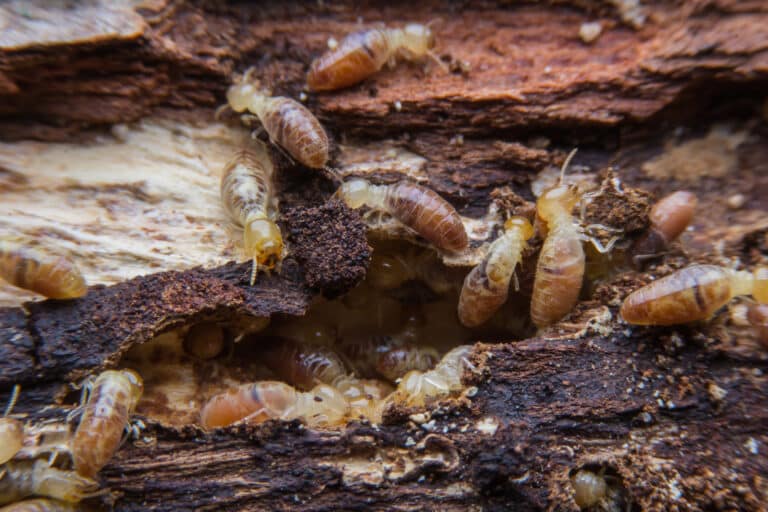
Drywood termites are the primary target for fumigation. According to the California Structural Pest Control Board, drywood termites can remain alive for up to a week after receiving a lethal dose. This is normal and doesn’t mean the treatment failed.
What Happens Before Fumigation Starts
Preparation is key to a successful fumigation. Here’s what you’ll need to do before the crew arrives.
Remove All Living Things
Everyone must leave. This includes all family members, dogs, cats, and other pets, fish and aquariums, birds, indoor plants, and seeds and bulbs.
Protect Food and Medicine
You’ll need to remove or seal certain items including all food not in glass or metal containers, pet food and treats, medications and vitamins, and opened beverages. Your pest control company will provide special bags to seal items that stay inside.
Prepare Your Home
Before the tent goes up, you should open all interior doors and cabinets, open drawers and closets, turn off pilot lights, remove mattress covers if waterproof, and raise blinds and open window treatments.
Our team at Southland Pest Control provides a detailed checklist before every termite fumigation service in Riverside. We walk you through each step so nothing gets missed.
During the Fumigation Process
Once tenting begins, your home becomes completely off-limits. Here’s what happens while you’re away.
The Sealing Process
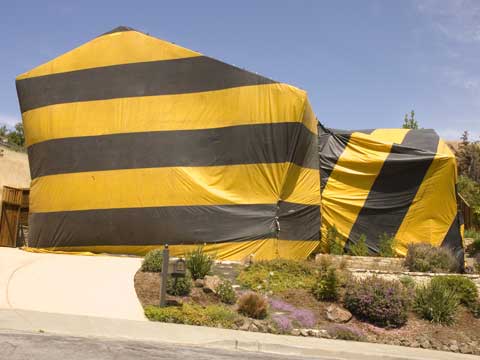
Technicians cover your entire home with vinyl-coated tarps. They seal every edge to trap the gas inside. This “tent” is why the process is often called termite tenting.
Gas Introduction
The fumigant, usually sulfuryl fluoride, is released into your home. This gas is odorless, so companies also release chloropicrin as a warning agent. This tear gas ensures no one accidentally enters during treatment.
Safety Measures
Licensed fumigators take safety seriously. They post warning signs at all entrances, install secondary locks on outside doors, monitor gas levels throughout the process, and follow strict state regulations.
No one can enter your home during this time. Even a few minutes of exposure can cause serious injury or death. The secondary locks ensure only the fumigation company can open doors until it’s safe.
The Aeration Process: How We Clear Your Home
Once the treatment period ends, the ventilation process begins. This is a carefully controlled procedure that ensures your home is safe for re-entry.
On the back of the tent, we place ventilation windows. On the opposite side, we install a tube that extends approximately 8 to 10 feet high. We open the windows and the vent tube, then turn on a fan inside the tube. This creates fresh airflow entering one end of your home and flushing out through the opposite end. The cross-ventilation clears the fumigant efficiently and safely.
For termite fumigations, aeration begins by 5 PM on day 2 and continues for a minimum of 12 hours. The next morning, technicians use specialized equipment to test air quality inside before clearing your home for re-entry.
The Re-Entry Notice
California law requires fumigators to post a re-entry notice. This notice tells you the date and time your home was released, the name of the pest control company, their license and phone numbers, and the fumigant that was used.
Never enter your home before this notice is posted. Wait for the all-clear from your pest control company.
What to Do When You Get Home
Once you return, open all windows for extra ventilation, wipe down counters and surfaces, unpack sealed food items, and run your HVAC system for air circulation.
The fumigant leaves no residue on surfaces. You don’t need to wash dishes, linens, or clothing that stayed inside during treatment.
Is Fumigation Safe for Pets?
Pet safety is a top concern for most homeowners. The good news is fumigation is safe for pets when done correctly.
Your pets must leave before fumigation starts. They cannot return until the re-entry notice is posted. Most families board their pets or have them stay with friends during treatment.
After returning home, pets are safe immediately. The gas dissipates completely during aeration. There’s no residue left behind that could harm your animals.
However, carpets may hold trace amounts of fumigant longer than other surfaces. Some experts suggest limiting pet time on carpets for the first few days after treatment.
Alternatives to Fumigation
Fumigation isn’t always necessary. For smaller infestations, other options may work.
Heat Treatment
Heat treatment raises your home’s temperature to lethal levels for termites. This method takes about 6 to 8 hours and requires no chemicals. You can often return the same day.
Spot Treatments
Localized treatments target specific areas of infestation. Technicians drill into affected wood and inject termiticide directly. This works well for small, accessible colonies.
When Fumigation Is the Best Choice
Fumigation remains the gold standard for widespread drywood termite infestations, multiple infestation sites throughout your home, hard-to-reach areas like wall voids, and complete elimination of all termites.
Only fumigation and whole-house heat treatment can eliminate termites throughout your entire structure.
Plan Your Time Away
Knowing how long fumigation takes helps you plan accordingly. For termite fumigation, you’ll need to find alternative housing for 2 nights. For bed bug fumigation, plan for 3 nights away.
Consider staying with family or friends, booking a pet-friendly hotel, or planning a short trip or staycation. Many homeowners use fumigation as a chance for a mini vacation. You’ll return to a pest-free home.
Get Expert Help with Your Termite Problem
Dealing with termites is stressful. Understanding the fumigation timeline makes the process easier to manage. Termite fumigations take 3 days and 2 nights, while bed bug fumigations require 4 days and 3 nights. You’ll return to a home free of destructive pests.
At Southland Pest Control, we’ve helped Riverside homeowners eliminate termites since 2007. Our licensed technicians guide you through every step, from inspection to re-entry.
Ready to get rid of your termite problem? Contact Southland Pest Control today for a free termite inspection. We’ll assess your situation and recommend the best treatment for your home.
Call us at (951) 653-7964 or fill out our online form to get started.