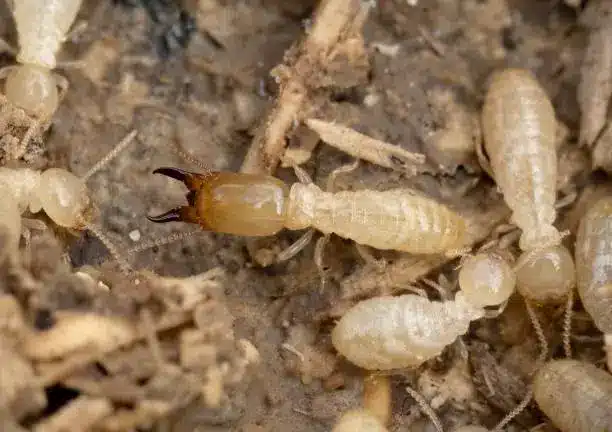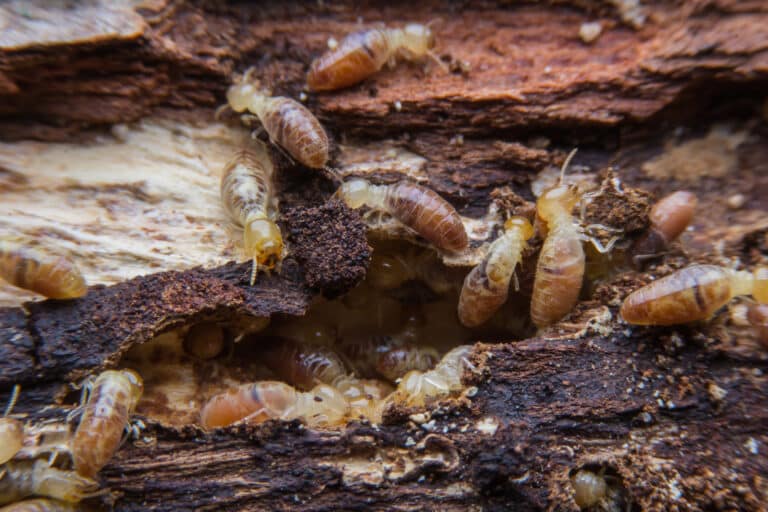
Understanding drywood vs. subterranean termites is essential for every Riverside homeowner. These two species look different, live in different places, and require different treatments. Drywood termites nest inside wood and leave tiny pellets behind, while subterranean termites live in soil and build mud tubes to reach your home.
Riverside’s warm climate makes it a hotspot for both termite types. Learning to identify which species has invaded your property helps you get the right treatment faster. This guide breaks down the key differences so you can protect your home.
Why Drywood vs. Subterranean Termite Identification Matters
Correct identification determines everything about your treatment plan. The methods that kill one species won’t work on the other. Using the wrong approach wastes time and money while termites continue eating your home.
According to the University of California Integrated Pest Management Program, subterranean termites are the most destructive termite species in the state. However, drywood termites are California’s second most important termite pest. Riverside homeowners need to watch for both.
The Basics: Where Each Termite Lives
The biggest difference between drywood and subterranean termites is where they make their homes.
Drywood Termite Habitat
Drywood termites live entirely inside the wood they eat. They don’t need contact with soil or outside moisture. Instead, they get all the water they need from the wood itself.
You’ll find drywood termite colonies in:
- Attic rafters and roof beams
- Window and door frames
- Hardwood floors
- Furniture and wooden objects
- Dead branches in trees near your home
Because they live inside wood, drywood termites can infest upper floors and attic spaces far from the ground. They enter homes through small cracks or during swarming season when flying termites land on exposed wood.
Subterranean Termite Habitat
Subterranean termites build their nests underground in the soil. They need constant moisture to survive, which is why they stay connected to the ground. These termites build mud tubes—protective tunnels made of soil and saliva—to travel from their nest to your home’s wood.
You’ll find subterranean termite colonies in:
- Soil near your foundation
- Crawl spaces with moisture problems
- Areas where wood touches the ground
- Near leaky pipes or poor drainage
Subterranean termite colonies can grow massive. A single colony can contain hundreds of thousands of termites, all working 24 hours a day. This is why they cause more damage than drywood termites in most cases.
How to Tell Drywood vs. Subterranean Termites Apart
Several signs help you identify which termite type has invaded your property.
Sign #1: Mud Tubes
Mud tubes are the clearest sign of subterranean termites. These pencil-sized tunnels run along foundation walls, pipes, and other surfaces between the soil and wood. Subterranean termites need these tubes to protect themselves from open air.
Drywood termites never build mud tubes. They don’t need them because they live entirely inside wood and never contact soil.
What to look for: Check your foundation walls, especially in crawl spaces and basements. Look along pipes, concrete blocks, and anywhere soil meets your home’s structure.
Sign #2: Fecal Pellets (Frass)
Drywood termites produce distinctive fecal pellets called frass. These tiny pellets have six flattened sides and look like grains of sand or pepper. Drywood termites push these pellets out of small “kickout holes” in the wood.
Subterranean termites don’t leave frass behind. They use their waste to build mud tubes instead.
What to look for: Small piles of pellets beneath wooden surfaces. The color matches whatever wood the termites are eating. You might also spot tiny holes in wood surfaces.
Sign #3: Colony Size and Damage Speed
Subterranean termite colonies are much larger than drywood colonies. A subterranean colony can house up to two million termites, while drywood colonies usually contain fewer than 1,000 members.
This size difference means subterranean termites cause damage much faster. However, drywood termites often go unnoticed longer because they hide completely inside wood.
Sign #4: Swarmer Appearance
Both termite types send out flying swarmers to start new colonies. However, they look different up close:
Drywood swarmers:
- Larger body size (about 1/2 inch including wings)
- Reddish-brown head
- Smoky-colored wings
- Swarm during warm days in late summer and fall
Subterranean swarmers:
- Smaller body size (about 1/4 inch including wings)
- Dark brown or black body
- Grayish-white wings
- Swarm on warm days in spring, often after rain
If you find discarded wings near windows or doors, try to save a sample. This helps professionals confirm which species you’re dealing with.
Drywood vs. Subterranean Termite Damage Patterns
The way each species feeds also differs, leaving different damage patterns.
Drywood Termite Damage
Drywood termites eat across the wood grain, creating smooth galleries inside the wood. They consume both soft springwood and hard summerwood. The damage often appears cleaner and more evenly distributed.
Because drywood termite colonies are small, damage tends to stay localized in one area. However, a single home can have multiple separate colonies, each damaging different locations.
Subterranean Termite Damage
Subterranean termites eat along the wood grain, preferring the softer springwood. Their galleries often contain bits of mud and soil from their tunnels. The damage may appear more layered or honeycomb-like.
Subterranean termites can damage large areas quickly because of their massive colony sizes. They often attack wood closest to the ground first, including floor joists and support beams.
Treatment Differences: Why Correct ID Matters
Treatment approaches differ completely between drywood and subterranean termites. At Southland Pest Control, we customize every termite treatment plan based on which species we identify.
Treating Drywood Termites
Drywood termite treatments focus on the wood itself:
- Fumigation (tenting): Covers the entire structure with gas that penetrates all wood. This method eliminates 100% of drywood termites because their colonies live inside the structure.
- Localized treatments: Target specific infested areas with heat, electricity, or direct chemical application. Works well for small, contained infestations.
- Wood treatments: Apply borate-based products to wood surfaces to prevent future infestations.
Treating Subterranean Termites
Subterranean termite treatments target the colony in the soil:
- Soil barrier treatments: Apply liquid termiticides around your foundation to block termites from entering.
- Bait systems: Place bait stations around your property. Worker termites carry the bait back to the colony, eventually eliminating the queen.
- Direct colony treatment: Locate and treat the nest in the soil.
Fumigation doesn’t work on subterranean termites because their main colony lives underground outside your home. You must address the source in the soil.
Common Mistakes When Identifying Termites
Many homeowners make these identification errors:
Confusing termites with ants. Flying ants and termite swarmers look similar at first glance. Termites have straight antennae and equal-sized wings. Ants have bent antennae and wings of different sizes.
Assuming only one species is present. Riverside homes can have both drywood and subterranean termites at the same time. A professional inspection checks for both.
Treating without proper identification. DIY treatments often fail because homeowners use products meant for the wrong species. Professional identification prevents wasted effort.
When to Call a Professional
Contact a termite professional immediately if you notice:
- Mud tubes on your foundation or walls
- Small pellet piles near wood surfaces
- Hollow-sounding wood when tapped
- Discarded wings near windows or doors
- Sagging floors or doors that stick
- Visible damage to wood structures
Early detection and proper identification save thousands of dollars in damage. A professional inspection confirms which termite species is present and recommends the most effective treatment.
Protect Your Riverside Home Today
Now you understand the key differences between drywood vs. subterranean termites. Each species requires specific treatment approaches, making correct identification crucial for effective control.
At Southland Pest Control, we’ve protected Riverside homes from termites since 2007. Our licensed inspectors identify exactly which termite species has invaded your property. Then we create a customized treatment plan that targets the problem at its source.
Don’t let termites damage your home. Contact Southland Pest Control today for a free termite inspection. We’ll identify your termite problem and recommend the most effective solution.
Call us at (951) 653-7964 or fill out our online form to schedule your inspection.