
Rodent Control in Riverside, CA
Mice and rats cause damage, spread disease, and multiply fast. Southland Pest Control's rodent control experts locate entry points, eliminate active infestations, and seal your property to keep these unwanted guests out for good. Same-day appointments are available.

Get Your FREE Quote
Comprehensive Rodent Control Solutions
At Southland Pest Control, we offer a complete rodent control service designed to eliminate and prevent infestations in both residential and commercial properties. Our services cover all aspects of rodent management, from inspection and identification to tailored treatment plans and ongoing prevention, ensuring a thorough and lasting solution for your home or business in Riverside and surrounding areas.
Detailed Inspection & Identification
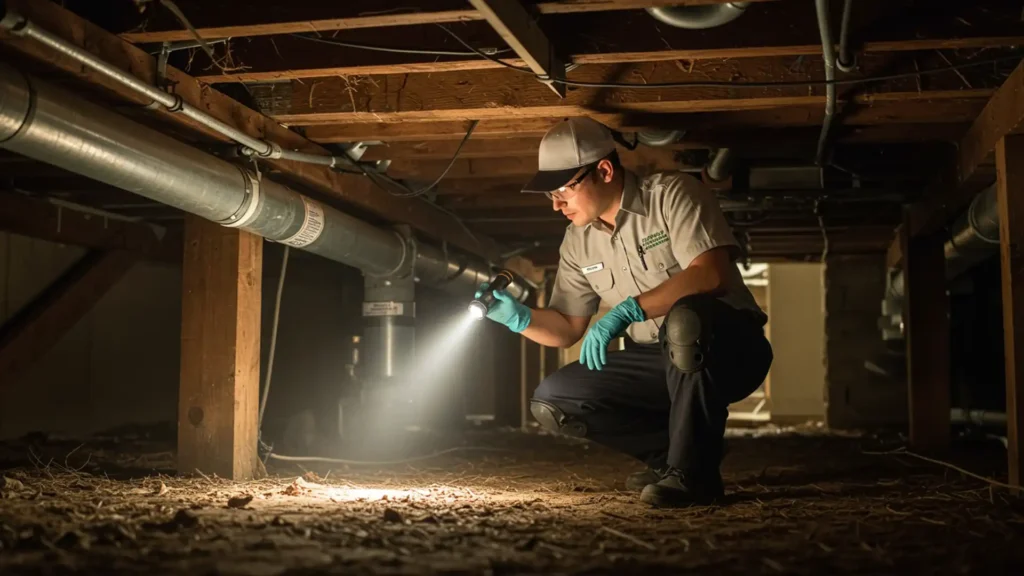
Our process begins with a comprehensive inspection by state-licensed technicians who use advanced detection methods to identify all signs of rodent activity. We meticulously examine your property, checking for entry points, droppings, gnaw marks, and nesting sites. This critical step helps us determine the extent of the infestation and develop a customized plan that targets the specific species and problem areas.
- Fully Licensed & Insured
- Locally Owned & Operated
- 5 Star Rated Service
- Customer Satisfaction Guarantee
- Emergency Services Available
- Professional Trained Technicians

Rat & Mouse Control in Riverside
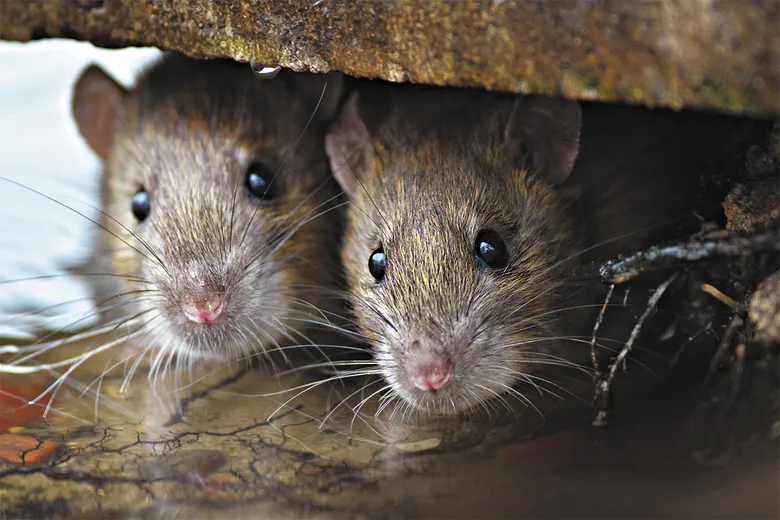
Most rodent problems in Riverside come down to two culprits, and they are not the same animal. Our technicians identify which one you are dealing with before setting a single trap, so the treatment fits the problem.
Rat Control
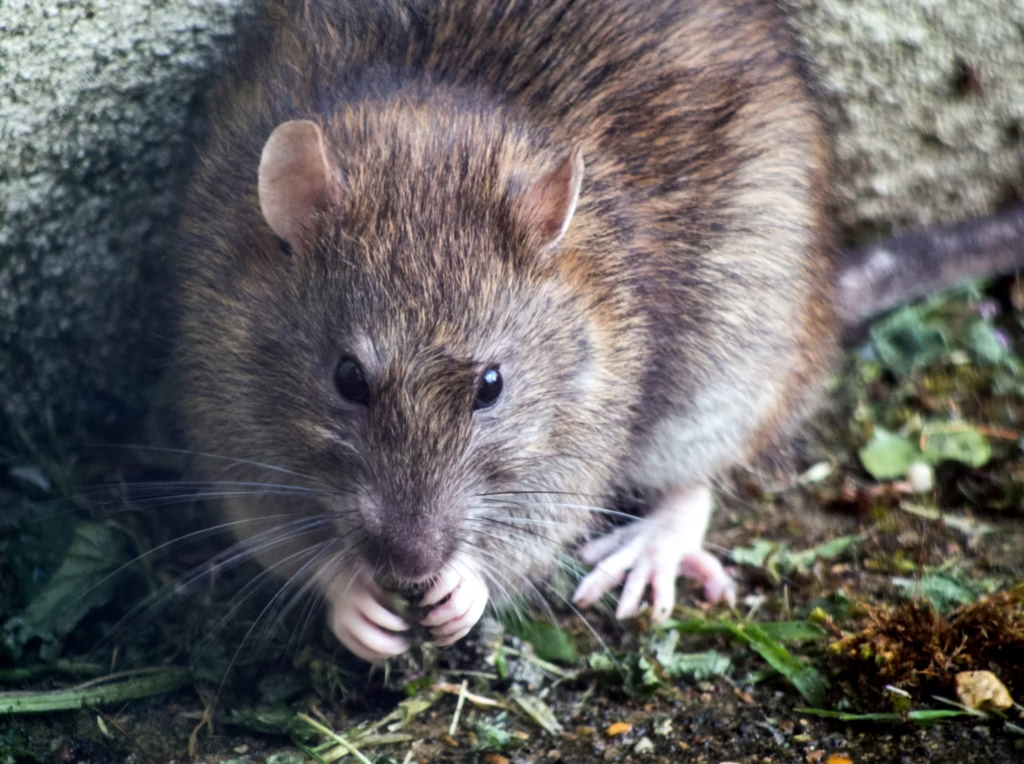
Riverside’s roof rats thrive in citrus trees, palm canopies, and the rooflines of older neighborhoods, slipping into attics and garages through gaps no wider than a quarter. Our rat exterminators in Riverside follow the runways, set targeted traps and locked bait stations, and seal the entry points so they cannot climb back in. We handle both roof rats and the larger Norway rats.
Mouse Control

House mice are smaller and quieter, nesting inside wall voids, kitchens, and storage areas where food is close at hand. Because a mouse can squeeze through an opening the width of a dime, trapping on its own rarely ends it. Our mice exterminators in Riverside pair trapping with full exclusion, closing the gaps that let them in and keeping your home mouse-free.
Licensed Rodent Control Technicians
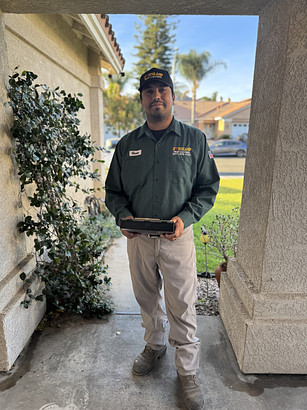
Technicians at Southland Pest Control are highly trained and state-licensed, ensuring they have the expertise to handle any infestation effectively. Continuous education and training keep them updated on the latest pest control methods.
Follow-Up Rodent Treatment
After the initial treatment, we offer follow-up services to monitor the effectiveness of the treatment and address any recurring issues. Regular check-ups ensure a long-term solution to problems.
Emergency Rodent Service
How We Remove Rodents and Keep Them Out
Targeted Trapping and Baiting
Based on our inspection findings, we implement a tailored treatment plan to effectively eliminate rodents. We utilize a combination of baiting systems, traps, and non-repellent pesticides designed to target rodents at various stages of their life cycle. Our methods ensure rapid removal while minimizing disruption to your daily routine, providing you with a pest-free environment as quickly as possible.
Sealing Entry Points and Repairs
A key component of our rodent control service is exclusion—sealing off entry points that allow rodents to infiltrate your property. Our technicians expertly identify and repair gaps in walls, foundations, and utility lines to create a robust barrier against future invasions. Additionally, we perform necessary structural repairs to address any damage caused by rodent activity, safeguarding your property’s integrity.
Safe for Your Family and Pets
Southland Pest Control is committed to using environmentally responsible methods that are safe for your family, pets, and the surrounding ecosystem. We incorporate eco-friendly products and practices into our rodent control programs, ensuring that our treatments are both effective and non-toxic. Our focus on sustainability and safety sets us apart from traditional pest control methods.

Ongoing Prevention and Monitoring
To ensure long-term protection against rodent infestations, we offer flexible maintenance plans tailored to your specific needs. Our ongoing follow-up services include regular inspections and treatments on a monthly, bi-monthly, or quarterly basis. This proactive approach helps detect any new rodent activity early, providing continuous protection and peace of mind.
Why Riverside Trusts Southland Pest Control
What sets us apart from the national chains.
Rodent Control Throughout the Inland Empire
We are a local, family-owned team that comes to you. Southland Pest Control handles rats and mice for homes and businesses across Riverside and the wider Inland Empire. Find your city below.
How much does rodent control cost in Riverside, CA?
Rodent control in Riverside typically costs between $200 and $600 for an initial inspection, trapping, and exclusion service. Heavier infestations or attic cleanouts can run higher. Southland Pest Control provides free written quotes after a property inspection — no obligation.
Why are roof rats so common in Riverside?
Riverside’s mature citrus trees, palm trees, and irrigated landscaping create ideal habitat for roof rats. They use tree canopies as highways and enter attics through small roofline gaps. Older neighborhoods with established trees see the highest activity.
What's the difference between rats and mice in Riverside homes?
Riverside sees mostly roof rats and house mice. Roof rats are larger (6-8 inches plus tail) and nest in attics, garages, and tree canopies. House mice are smaller (3-4 inches plus tail) and nest in wall voids, kitchens, and storage. Both leave droppings, gnaw marks, and grease trails.
How long does rodent extermination take?
Most rodent jobs in Riverside take 2-4 weeks from first trap-set to confirmed elimination. Light infestations resolve in 1-2 weeks. Heavy populations or properties needing exclusion work (sealing entry points) can take 4-6 weeks. Follow-up visits are included.
Are rodent baits safe for pets and children?
Southland Pest Control uses tamper-resistant bait stations that lock and require a key to open. Baits are placed inside enclosed stations only, never loose. For homes with pets or children, we can also run a trap-only program with no baits.
Do you seal rodent entry points or just trap them?
Both. Trapping eliminates the current population, but without exclusion (sealing entry points) the problem returns. Our standard rodent service includes inspecting for gaps, vents, and roofline openings, then sealing them with rodent-proof materials.
What neighborhoods in Riverside do you serve for rodent control?
We serve every Riverside neighborhood, including Wood Streets, Alessandro Heights, Orangecrest, Canyon Crest, Arlington, Mission Grove, La Sierra, Magnolia Center, and Hawarden Hills. We also cover nearby Moreno Valley, Corona, Jurupa Valley, Norco, and Eastvale.
Do I need rodent control for a pre-sale home inspection?
Many Riverside home sales require a pest inspection that flags rodent evidence. If droppings, gnaw marks, or active populations are found, lenders often require professional treatment before closing. Southland Pest Control provides documented service for real estate transactions.
Explore Our Other Pest Control Services in Riverside
Get Your Free Rodent Control Quote
Our team is fully trained and licensed to secure your home and business from invasive pests.