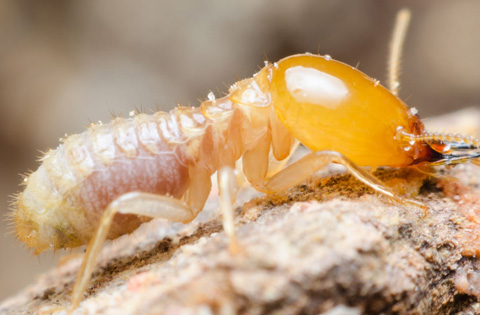
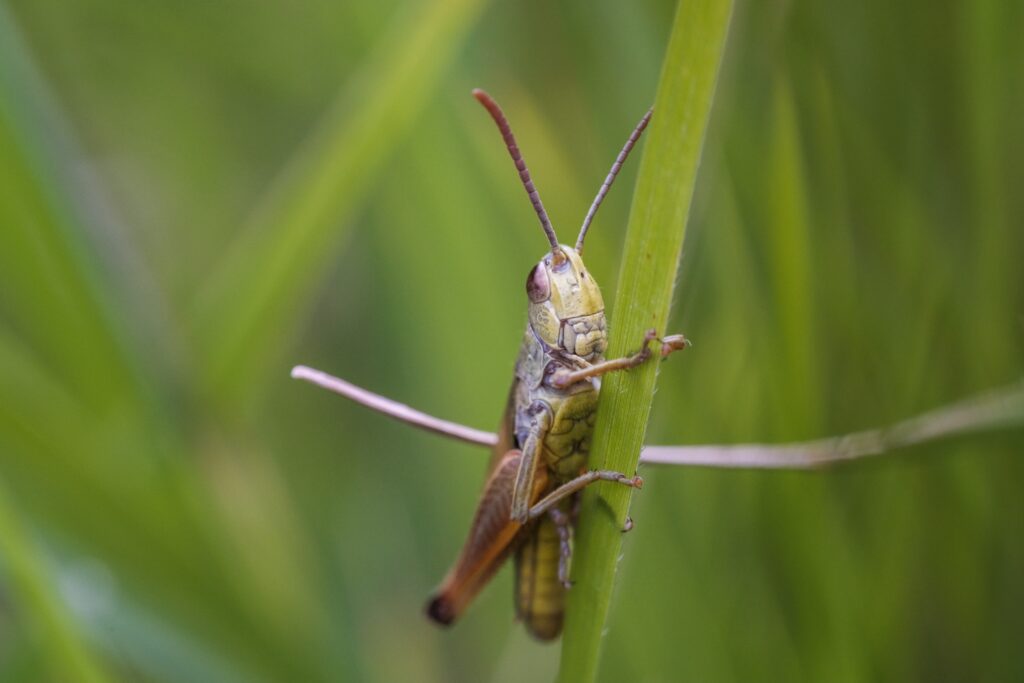
Short answer: The fastest way to tell flying ants vs termites is to check three things: the waist, the antennae, and the wings. Ants have a pinched waist, bent antennae, and two pairs of wings of different sizes. Termites have a straight waist, straight antennae, and four wings of equal length. The difference matters because termites eat wood and damage your home, while flying ants usually do not. A termite inspection in Riverside starts at $125.
Here in the Inland Empire, both kinds of swarmers show up every year. Southland Pest Control has helped Riverside and Moreno Valley homeowners sort out winged invaders since 2012. Here is how to tell them apart and what to do next.
How Can You Tell Flying Ants From Termites?
Catch one (they are slow fliers) and compare it against this chart.
| Feature | Flying ant | Termite |
|---|---|---|
| Waist | Narrow and pinched | Straight and thick, with no pinch |
| Antennae | Bent or elbowed | Straight and beaded |
| Wings | Two pairs, front longer than back | Four wings of equal length, longer than the body |
| Shed wings | Keeps its wings longer | Drops wings in small piles, a key clue |
| Color | Black, brown, or reddish | Dark brown or black |
| Wood damage | None. Carpenter ants tunnel but do not eat wood | Eats wood and causes structural damage |
Do Flying Ants Mean You Have Termites?
No. Flying ants are mature ants leaving the nest to mate and start a new colony. They do not eat wood, so the winged ants themselves will not damage your home, although carpenter ants can hollow out damp wood for nesting. If you confirm they are ants, professional ant control handles the colony.
Termite swarmers are a different story. Seeing them inside your home is a strong sign that a mature colony is already nearby, sometimes one that has been growing for years. That is when you want a termite inspection in Riverside.
When Do Termites Swarm in the Inland Empire?
It depends on the species. Drywood termites, which live inside the wood they eat, swarm in daylight from July into November, heaviest in September and October on hot, still afternoons. Subterranean termites, which nest underground, swarm on warm days after rain, which in Riverside means late fall through spring. Both are well established here, so homeowners can see swarmers in either season.
Swarms are short. Most last a few minutes to an hour, and the insects head straight for light at windows and doors. Winged ants swarm on the same warm afternoons, which is why the two get confused. Our guide to when termites swarm in California has the full Riverside calendar.
Why It Matters Which One You Have
Termites feed on the cellulose in wood, drywall, and paper, and they work silently inside walls where you cannot see them. Most homeowners insurance does not cover the damage.
The real danger comes from mistaking termite swarmers for harmless flying ants and doing nothing while a colony keeps feeding. According to the UC Statewide IPM Program, drywood termites are rarely seen until they swarm, and the products needed to control them are not sold to the public. That is why a professional inspection is the right move.
What Are the First Signs of Termites?
Swarmers, discarded wings, mud tubes, and wood that sounds hollow. Subterranean termites build pencil-width mud tubes up your foundation or crawl space walls. Drywood termites push out tiny piles of hard, six-sided pellets that look like sawdust or coffee grounds, often just below a small hole in the wood. You might also notice blistered paint that bubbles for no clear reason. Our guide to the signs of drywood termites has photos of each one from Riverside jobs.
What Should You Do If You See Swarmers?
Do not spray them. Store-bought spray scatters the insects without touching the colony and destroys the evidence an inspector uses to find it. Instead:
- Vacuum up the swarmers, or catch a few in a jar or zip bag so they can be identified.
- Note where they came out (a windowsill, a baseboard, a crack near the floor) and mark the spot.
- Save any shed wings you find. Identical wings confirm termites.
- Schedule an inspection to find out what you have and how far it has spread.
What Termite Work Costs in Riverside
A termite inspection starts at $125 for homes up to 2,000 square feet and is done by a Branch 3 licensed inspector. Local treatment starts at $495 per area, orange oil at $695, and full-structure fumigation at $2,395 for homes up to 1,800 square feet. Most Riverside homes we inspect never need the tent. Every number and what moves it is in our termite treatment cost guide. Pricing effective 2026, confirmed at inspection.
Free limited inspections are available to homeowners who just want to know what they are dealing with. Those are not valid for a real estate transaction.
Find out which one you have
If you have spotted swarmers and are not sure what they are, our licensed technicians will identify them, inspect your home, and build a plan if termites are present.
Schedule a termite inspection or call (951) 653-7964. Riverside and Moreno Valley offices, family owned since 2012, USMC veteran-owned, license PR 7461, Branch 2 and 3.
Flying Ant and Termite Questions From Riverside Homeowners
What kills flying ants and termites?
Store-bought sprays kill the ones you can see and rarely reach the colony. For ants, baits placed at entry points work better because the workers carry the bait back to the nest. For termites, the products that control them are not sold to the public, so a termite problem needs professional treatment. Spraying a swarm does more harm than good.
Do flying ants come out at the same time as termites?
Often, yes. Both swarm on warm afternoons, and in Riverside that overlap runs through late summer and fall. A pile of wings on a windowsill is the tiebreaker: termite wings are all the same length, ant wings come in two sizes. If the winged ants are landing in your pool, our guide to ants in the swimming pool explains the swarm.
Are carpenter ants as bad as termites?
No. Carpenter ants hollow out damp or damaged wood to nest and can weaken it over years, but they do not eat wood and the damage is usually limited to areas that were already wet. Termites eat sound wood. A carpenter ant problem points to a moisture problem to fix. A termite problem points to an inspection.